ARCHIVE ID
CW-FROG-2026-04
CATEGORY
CanvasWorks
STATUS
Archived
CONDITION
Archived
FROG
Flexible Resonant Organic Gyromech
Analysis
FROG Canvas Study Structure
Motion trajectory overlay revealing kinetic pathways and flexibility indicators. Enhanced visualization exposes underlying elastic frameworks and rhythmic pattern structures governing dynamic amphibian aesthetic.
FROG Canvas Study Energy
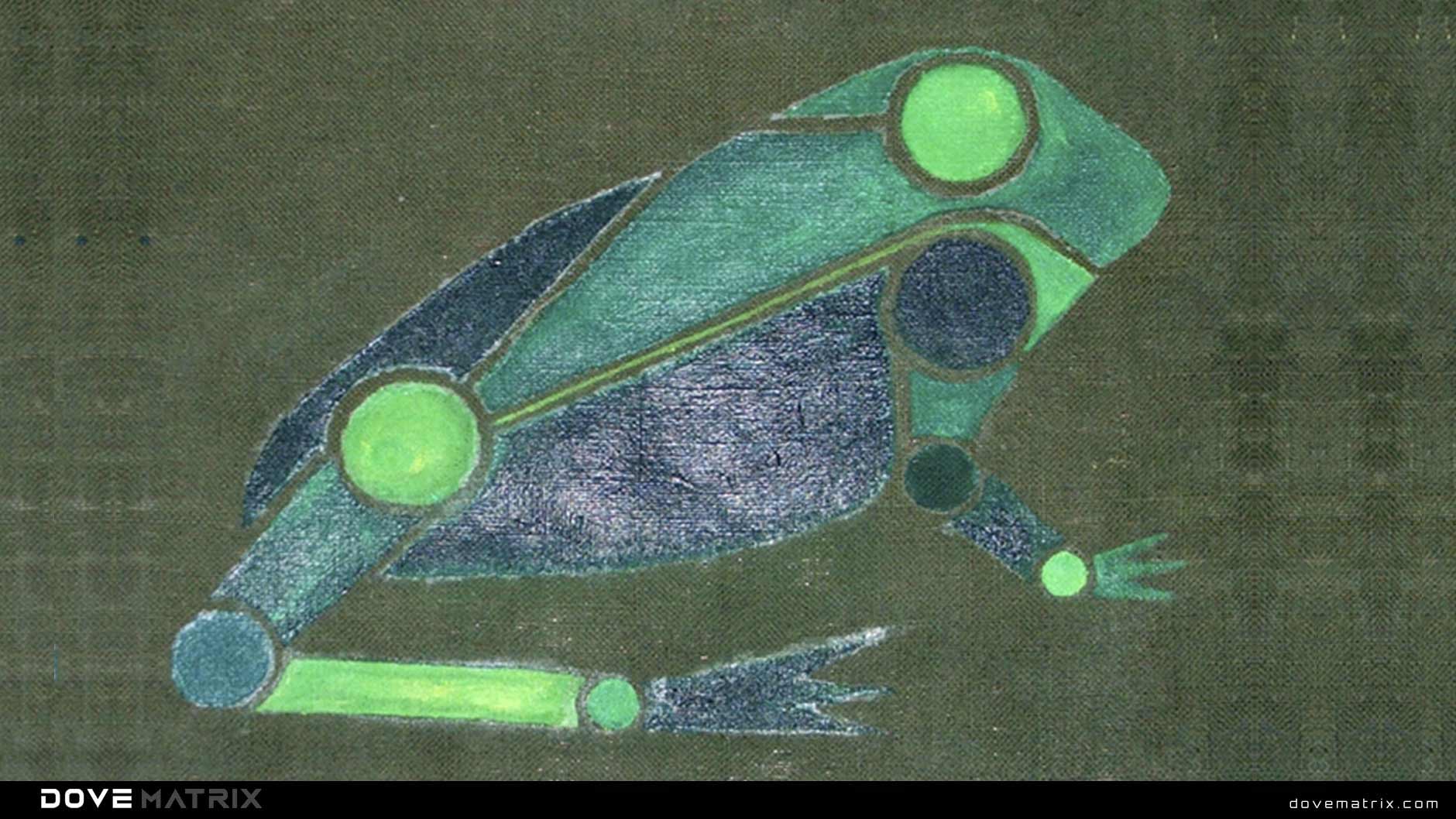
Primary artwork view presenting dynamic amphibian biomechanical form study. Composition emphasizes elasticity, rhythm, and environmental responsiveness capturing engineered efficiency of nature in motion.
FROG Canvas Study Signal
Internal composition analysis revealing biomechanical muscle structure simulation and elastic joint system architecture. Dynamic potential emerges from carefully calibrated tension-release relationships throughout form.
Profile
Overview
FROG represents a dynamic amphibian biomechanical form study exploring motion, adaptability, and elastic efficiency within visual framework emphasizing natural rhythm and environmental responsiveness. The composition employs flexible organic gyromechanical principles to suggest both engineered precision and biological fluidity.
This CanvasWorks entry investigates resonant adaptation systems where mechanical efficiency meets organic elasticity, creating hybrid aesthetic balancing technical sophistication with natural movement patterns characteristic of amphibian locomotion and environmental integration.
Architecture
The compositional architecture operates through dynamic tension-release relationships creating implied motion and elastic potential. Flexible joint articulation points suggest biomechanical efficiency while rhythmic pattern integration reinforces environmental adaptation capacity. Primary forms establish amphibian silhouette with secondary details revealing gyromechanical integration.
Visual hierarchy guides attention through kinetic pathways toward explosive movement capability zones, creating natural scanning rhythm matching amphibian motion cycles. Elastic form language maintains adaptability aesthetic while structural relationships preserve believable biomechanical credibility within synthetic organism framework.
Behavior
Execution calibration focused on achieving optimal balance between dynamic motion potential and compositional stability. Flexibility indicators required precise attention to maintain elastic aesthetic while incorporating biomechanical credibility markers. Tension-release relationship calibration preserves motion implication without sacrificing structural coherence.
Color palette and tonal rhythm calibration emphasizes environmental adaptation through nuanced variations suggesting moisture gradients and amphibian camouflage patterns. Motion pathway detail placement concentrated in kinetic zones rewards examination while maintaining overall compositional rhythm and dynamic flow consistency.