ARCHIVE ID
CW-MANTA-2026-07
CATEGORY
CanvasWorks
STATUS
Archived
CONDITION
Archived
M.A.N.T.A.
Mechanical–Adaptive Neural Technomorphic Artifact
Analysis
MANTA Canvas Study Structure
Hydrodynamic flow analysis revealing motion pathways and adaptive neural network distribution. Enhanced visualization exposes fluid interaction zones and technomorphic integration points within aquatic biomechanical structure.
MANTA Canvas Study Energy
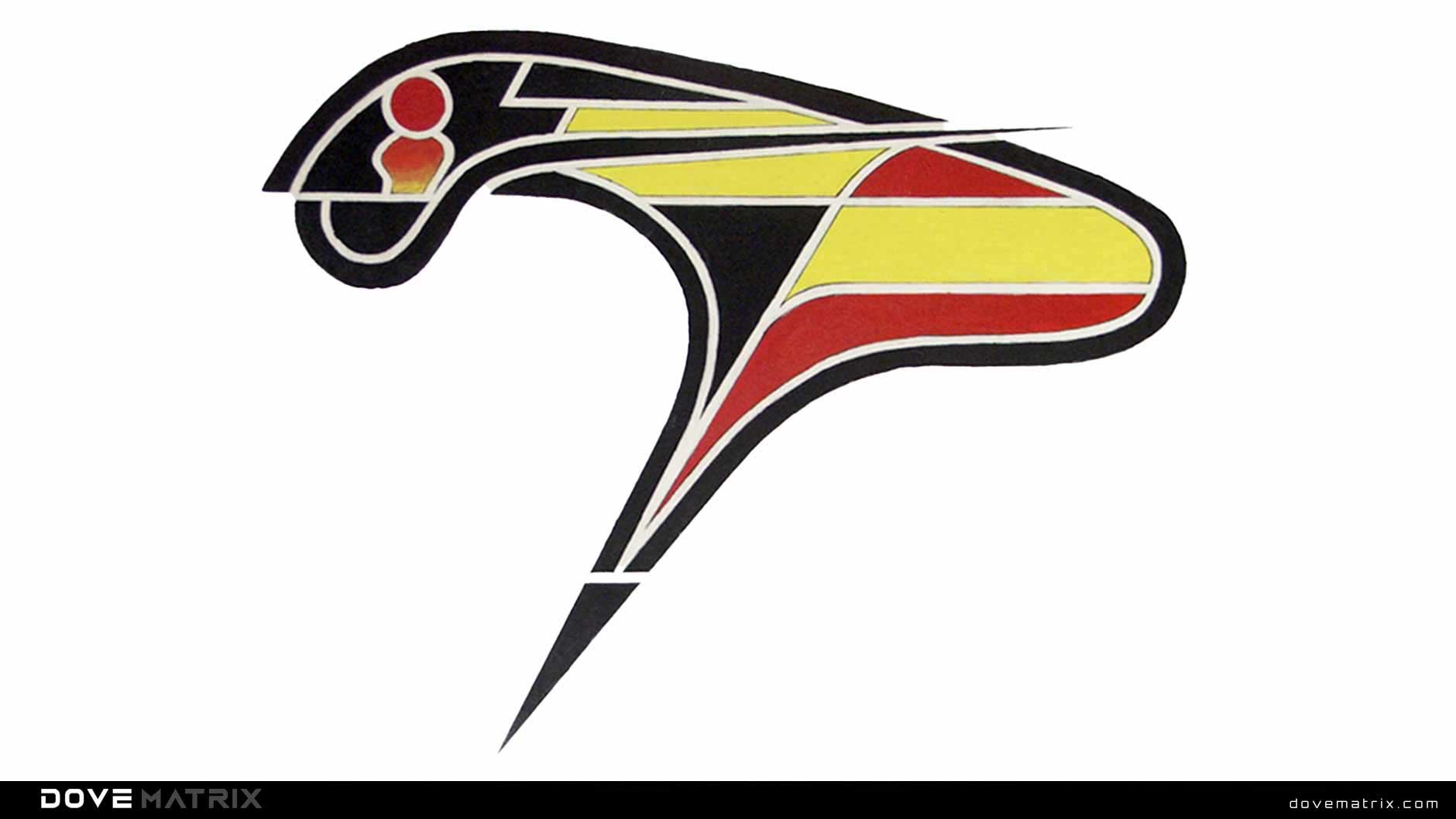
Primary artwork view presenting cybernetic marine biomechanical form study emphasizing fluid motion and underwater grace. Composition captures neural intelligence embedded within engineered aquatic architecture blending organic and mechanical systems.
MANTA Canvas Study Signal
Internal framework analysis exposing neural architecture and mechanical propulsion systems. X-ray mode reveals integration points where organic grace meets engineered precision within aquatic form structure.
Profile
Overview
MANTA represents an abstract acrylic study of cybernetic marine biomechanics capturing fluid motion and underwater grace through technomorphic artifact design. This CanvasWorks entry explores neural intelligence embedded within engineered aquatic form suggesting living system-machine synthesis within marine environmental framework.
The composition investigates adaptive aquatic systems where hydrodynamic efficiency meets intelligent navigation creating integrated biomechanical architecture characteristic of refined cybernetic organism design. Primary focus includes fluid motion dynamics governing graceful locomotion, neural network integration enabling adaptive environmental responses, and technomorphic aesthetics balancing organic flow with mechanical precision.
Architecture
The compositional architecture operates through flowing forms and streamlined profiles creating hydrodynamic credibility. Bilateral symmetry establishes balanced propulsion potential while organic curves suggest muscular-analog actuator systems. Neural network implications emerge through distributed detail patterns suggesting embedded intelligence throughout form structure.
Visual hierarchy emphasizes graceful motion through directional flow lines and undulating surfaces implying wave-like propulsion mechanics. Color palette integration reinforces underwater environment through aquatic tones while maintaining cybernetic aesthetic through controlled technical details and biomechanical material indications. Proportional relationships maintain marine life credibility while incorporating sufficient technological elements establishing synthetic organism identity.
Behavior
Execution calibration focused on achieving optimal fluidity while maintaining structural credibility avoiding purely abstract dissolution. Grace indicators required precise attention to motion pathway implications and hydrodynamic surface qualities. Neural integration calibration balanced distributed intelligence markers with compositional clarity preventing detail saturation.
Color application emphasized aquatic environment through appropriate palette selection while incorporating cybernetic edge via technical precision and tonal control. Detail placement concentrated in zones reinforcing neural network distribution and motion capability implications. Surface treatment execution balanced smooth hydrodynamic qualities with textural variations suggesting both organic skin and technological surface characteristics within unified biomechanical framework.