ARCHIVE ID
CW-SWAN-2026-08
CATEGORY
CanvasWorks
STATUS
Archived
CONDITION
Archived
SWAN
Synthetic Waterborne Aesthetic Node
Analysis
SWAN Canvas Study Structure
Compositional structure overlay revealing underlying geometric frameworks and balance points. Enhanced visualization exposes curvature control systems and proportional relationships governing elegant biomechanical aesthetic.
SWAN Canvas Study Energy
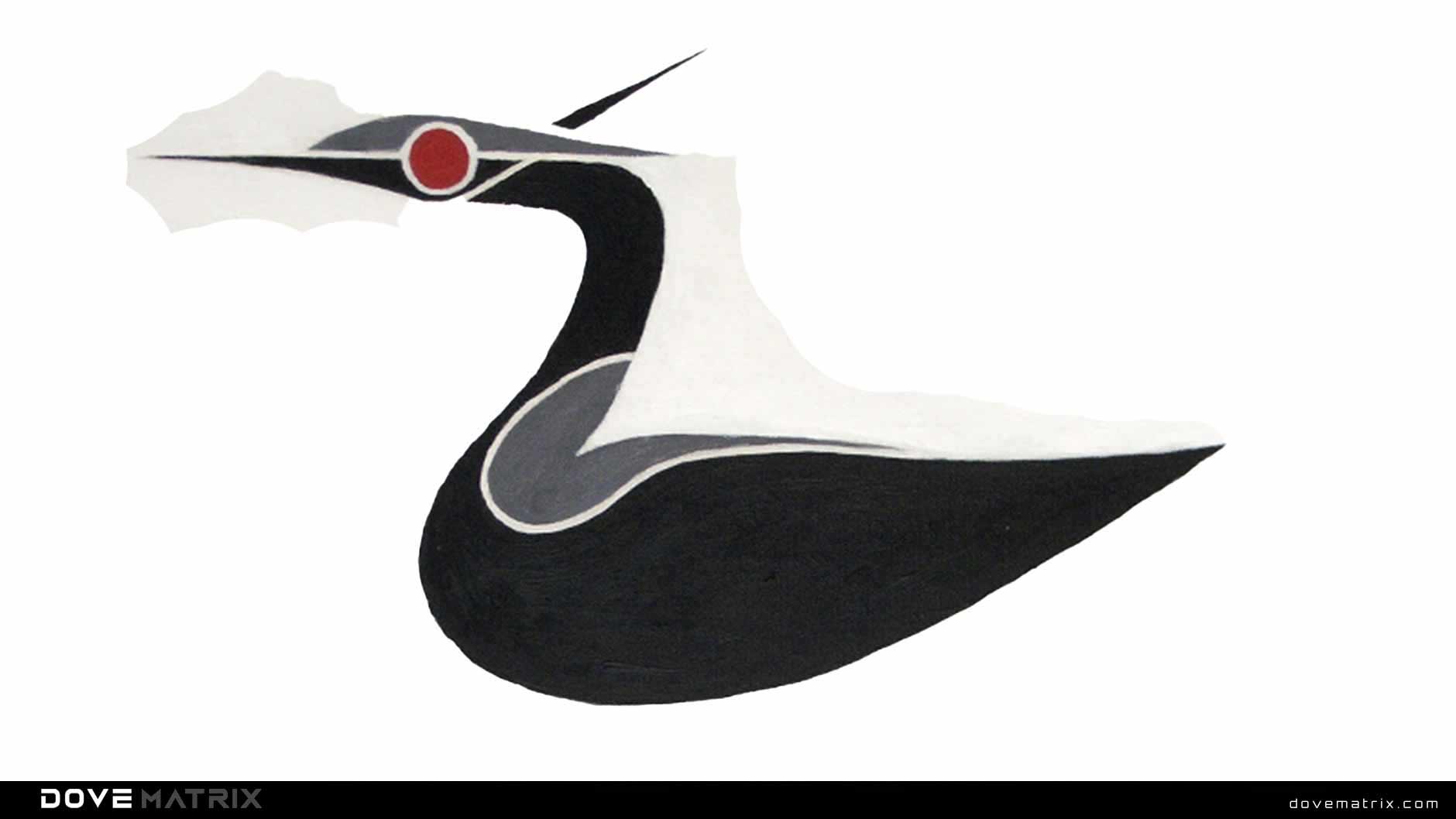
Primary artwork view presenting the biomechanical swan composition. Elongated lines and controlled curvature create serene abstraction where stillness and motion coexist in refined, water-adapted form.
SWAN Canvas Study Signal
Structural depth analysis revealing layering techniques and form construction methodology. Internal composition architecture shows how serene surface appearance emerges from carefully orchestrated tonal relationships and edge control.
Profile
Overview
SWAN represents a biomechanical interpretation of aquatic elegance where synthetic and organic principles converge within a singular aesthetic node. The composition employs elongated lines and controlled curvature to suggest both mechanical precision and fluid natural motion, creating visual tension between stillness and implied movement.
This CanvasWorks entry explores waterborne aesthetic concepts through carefully balanced form relationships. The work demonstrates how biomechanical design language can convey serenity and grace while maintaining underlying structural integrity consistent with DOVEMATRIX synthetic future narratives.
Architecture
The compositional architecture operates through careful balance of contrasting elements: organic curvature against mechanical edge definition, flowing motion against static presence, and natural grace within synthetic framework. Primary forms establish water-adapted silhouette while secondary details suggest technological integration.
Visual hierarchy guides viewer attention through elongated neck structure toward focal biomechanical details, creating natural scanning pathway that reinforces elegant aesthetic. Tonal relationships maintain serene atmosphere while preserving sufficient contrast for form legibility and depth perception.
Behavior
Execution calibration focused on achieving optimal balance between refined elegance and biomechanical complexity. Curvature control required precise attention to maintain continuous flow while incorporating subtle mechanical interruptions. Line weight variation preserves delicate aesthetic without sacrificing structural clarity.
Color palette calibration emphasizes serenity through restrained tonal range, avoiding high-contrast drama in favor of subtle gradients suggesting aquatic environment. Fine detail placement concentrated in strategic zones to reward close examination while maintaining compositional coherence at viewing distance.