ARCHIVE ID
CW-VENUS-2026-09
CATEGORY
CanvasWorks
STATUS
Archived
CONDITION
Archived
V.E.N.U.S.
Visionary Emergent Neo-Terran Unity Sphere
Analysis
VENUS Canvas Study Structure
Atmospheric density overlay revealing compression zones and luminous diffusion pathways. Enhanced visualization exposes underlying systemic force structures acting beneath dense reactive atmosphere governing planetary aesthetic.
VENUS Canvas Study Energy
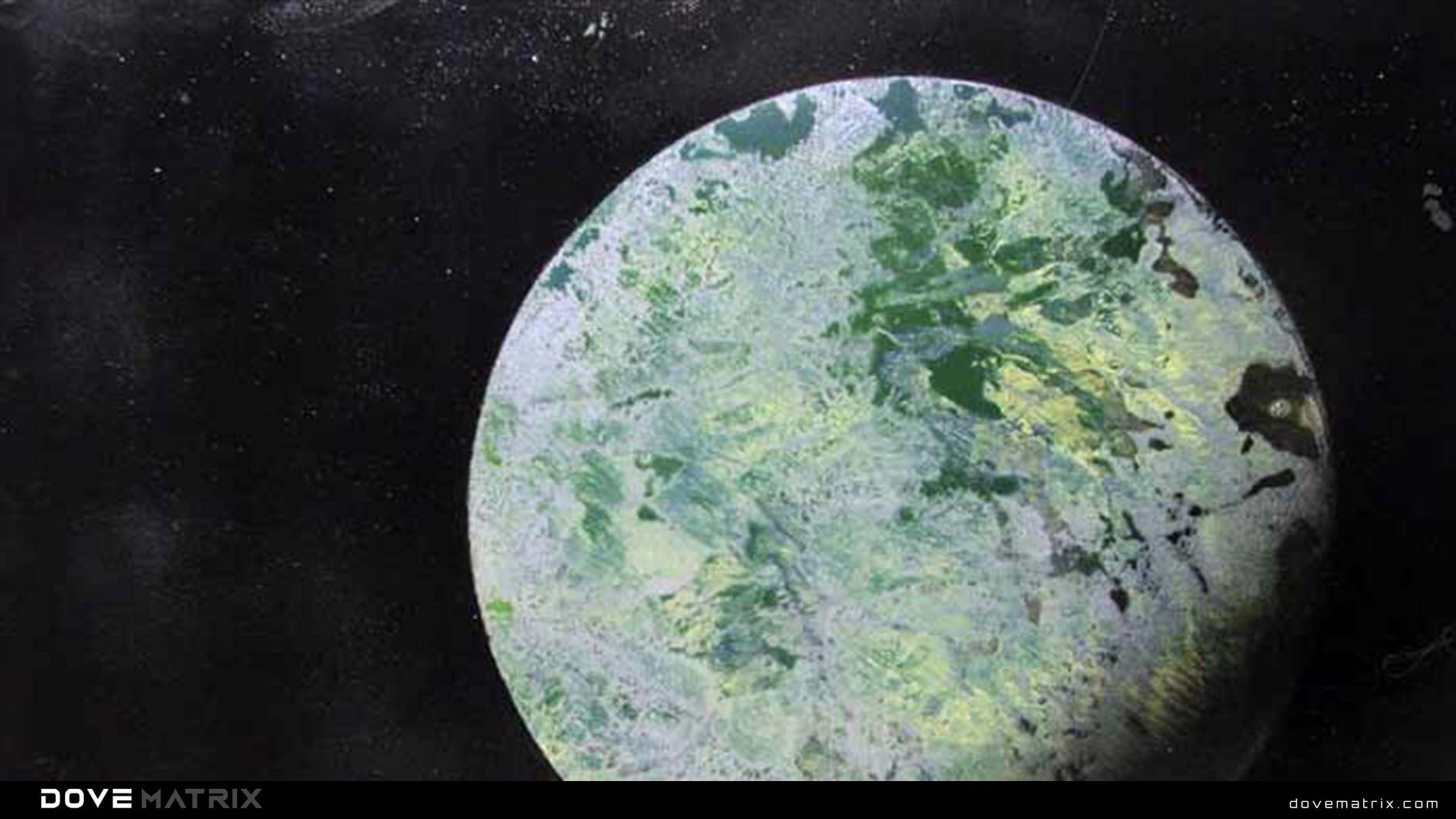
Primary artwork view presenting planetary abstraction inspired by classical symbolism recontextualized through modern techniques. Composition merges mythic resonance with surface texture and atmospheric form as unified evolving system.
VENUS Canvas Study Signal
Atmospheric substrate analysis mode exposing internal thermal gradients and pressure stratification beneath surface textures. Reveals planetary atmospheric construction through cross-section visualization of pressure architecture.
Profile
Design Overview
VENUS represents a planetary abstraction inspired by classical symbolism and recontextualized through modern techniques. The artwork merges mythic resonance with surface texture and atmospheric form, presenting the planet as a unified, evolving system rather than a static celestial body—simultaneously honoring ancient cultural significance while embracing contemporary aesthetic language.
This CanvasWorks entry investigates visionary neo-terran unity through layered acrylic textures emphasizing atmospheric density, compression, and luminous diffusion. Palette bias toward copper, amber, and atmospheric haze reinforces Venus's distinction as inner solar system terrestrial planet within abstract systemic interpretation framework.
Compositional Specifications
Surface interpretation operates through layered texture application emphasizing atmospheric density and compression rather than geographic precision. Color and erosion patterns suggest systemic forces acting beneath dense reactive atmosphere while maintaining planetary coherence. Primary forms establish celestial silhouette with secondary details revealing classical symbolic integration.
Visual hierarchy guides attention through luminous diffusion zones toward mythic resonance pathways, creating natural scanning rhythm matching cultural-planetary synthesis patterns. Atmospheric form language maintains visionary aesthetic while structural relationships preserve believable neo-terran unity within abstract systemic framework.
Refinement Process
Execution calibration focused on achieving optimal balance between atmospheric complexity and mythic clarity. Layering technique required precise attention to maintain planetary aesthetic while incorporating classical symbolic resonance markers. Color palette calibration emphasizes cultural synthesis through nuanced variations suggesting thermal gradients and atmospheric compression patterns.
Symbolic detail placement concentrated in resonance zones rewards examination while maintaining overall planetary form coherence. Texture application strategy prioritized continuous evolution suggestion through visible atmospheric circulation patterns and pressure gradient markers within abstract visionary presentation.