
ARCHIVE ID
VF-NEO-2024-03
CATEGORY
VectorForce
STATUS
Active
CONDITION
Operational
NEON
Non-kinetic Energy Oriented Neutralization
Analysis
NEON Analysis Structure
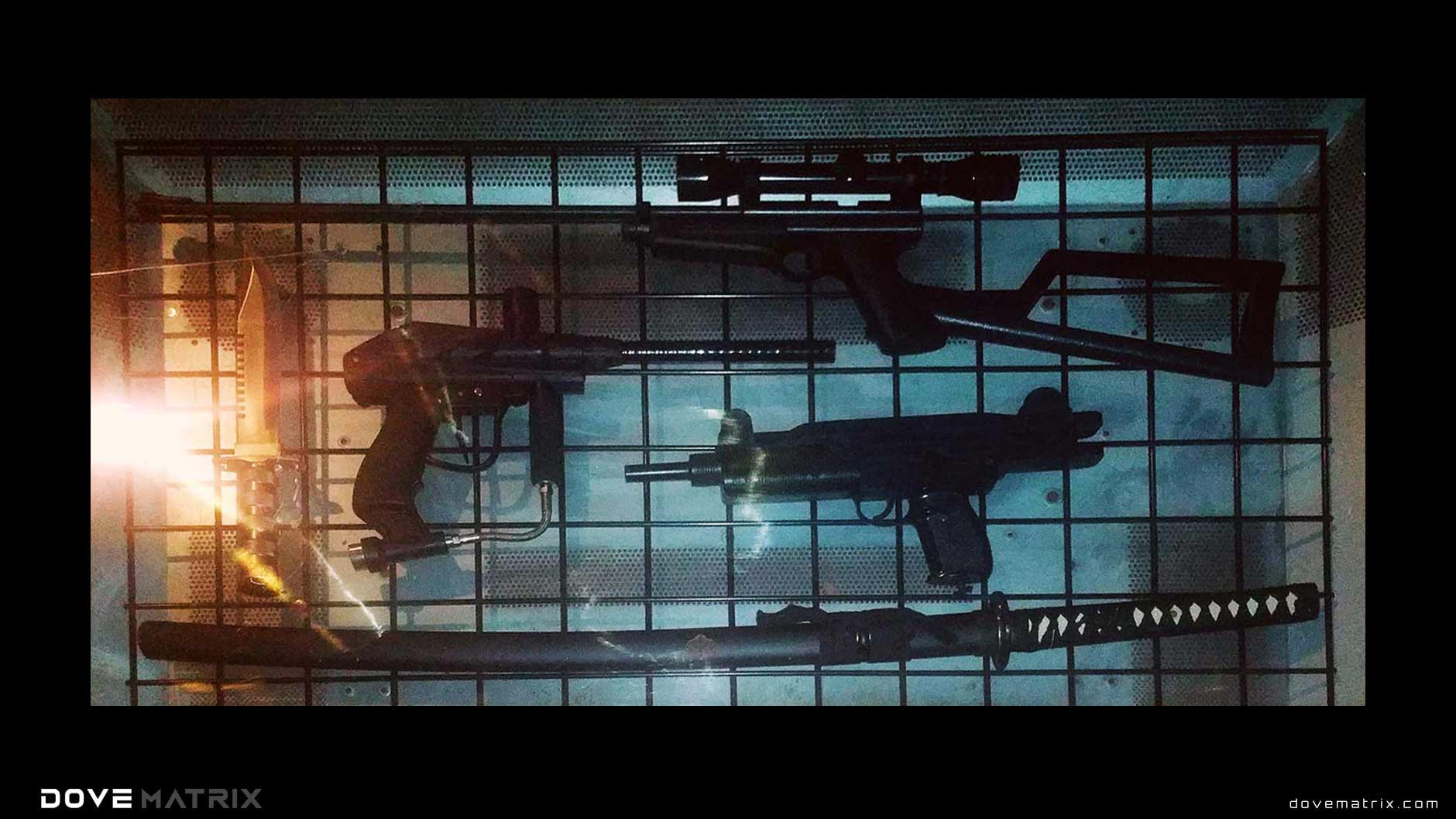
Modular emitter housing integrates multi-channel optical pathways with thermal management systems. Five selectable beam modes (KNIFE/RIFLE/SWORD/BLAST/M-GUN) utilize precision-machined lens arrays and adjustable apertures to shape energy distribution from precision cutting to area saturation patterns.
NEON Analysis Energy
High-intensity laser arrays deliver concentrated photon streams with adjustable wavelength profiles. Energy output scales from 50W continuous illumination mode to 5kW peak burst capacity, with beam coherence maintained across all power levels through adaptive cavity stabilization.
NEON Analysis Signal
Targeting subsystem employs multi-frequency aiming lasers synchronized with fire control algorithms. Real-time atmospheric compensation adjusts beam focus for environmental interference, maintaining target lock through thermal shimmer and particulate dispersion with millisecond response precision.
Profile
Overview
NEON represents a paradigm shift from traditional kinetic weapons toward pure energy projection systems. The platform transforms concentrated light into a tactical force multiplier, delivering effects ranging from target illumination and non-lethal deterrence to precision material ablation and direct energy engagement through wavelength-optimized laser emission.
The designation NEON—Non-kinetic Energy Oriented Neutralization—emphasizes the system's departure from ballistic principles. Rather than propelling mass, it channels electromagnetic radiation through precision optical pathways, achieving instantaneous target engagement at light-speed velocity with zero projectile drop or environmental deflection within operational range parameters.
Architecture
The emitter assembly houses multiple diode-pumped solid-state laser modules operating across visible and near-infrared spectra (450-1064nm). Beam combiners merge individual laser outputs into a single coherent emission path, with electronically controlled filters enabling rapid wavelength switching for environmental optimization and target material interaction.
Five operational beam modes provide tactical flexibility: KNIFE delivers ultra-narrow cutting beams for precision work; RIFLE projects tight collimated beams for long-range targeting; SWORD creates medium-width sweeping patterns; BLAST generates expanding conical dispersion for area denial; M-GUN pulses rapid-fire bursts with variable repetition rates. Transition between modes occurs via motorized lens rotation and aperture adjustment, completing configuration changes in under 200 milliseconds.
Thermal management integrates forced-air cooling and heat-pipe distribution networks to maintain laser cavity temperatures within optimal operating windows. Power regulation circuits monitor junction temperatures and automatically throttle output to prevent thermal runaway, ensuring sustained operation during extended engagement sequences.
Behavior
Activation initiates a 2-second warm-up cycle as laser diodes reach optimal junction temperature and cavity alignment stabilizes. Integrated accelerometers detect platform movement and engage gimbal stabilization to maintain beam orientation during operator motion, compensating for hand tremor and gait disruption with active damping.
The targeting subsystem projects low-power aiming beams (visible spectrum) onto target surfaces, providing visual confirmation of impact point before main emission. Fire control algorithms calculate atmospheric turbulence compensation based on temperature gradients and humidity data, adjusting focus depth to maintain beam coherence through environmental interference.
Safety interlocks monitor both operator positioning and downrange obstacles, automatically terminating emission if bio-signature detection indicates friendly personnel in the beam path. Cooldown protocols engage after high-intensity operations, restricting power output until thermal sensors confirm safe operating temperatures have been restored across all critical components.