ARCHIVE ID
VF-OVK-2024-01
CATEGORY
VectorForce
STATUS
Active
CONDITION
Operational
OVERKILL
Overwhelming Velocity Energy Release Kinetic Impact Lethality Launch
Analysis
OVERKILL Analysis Structure
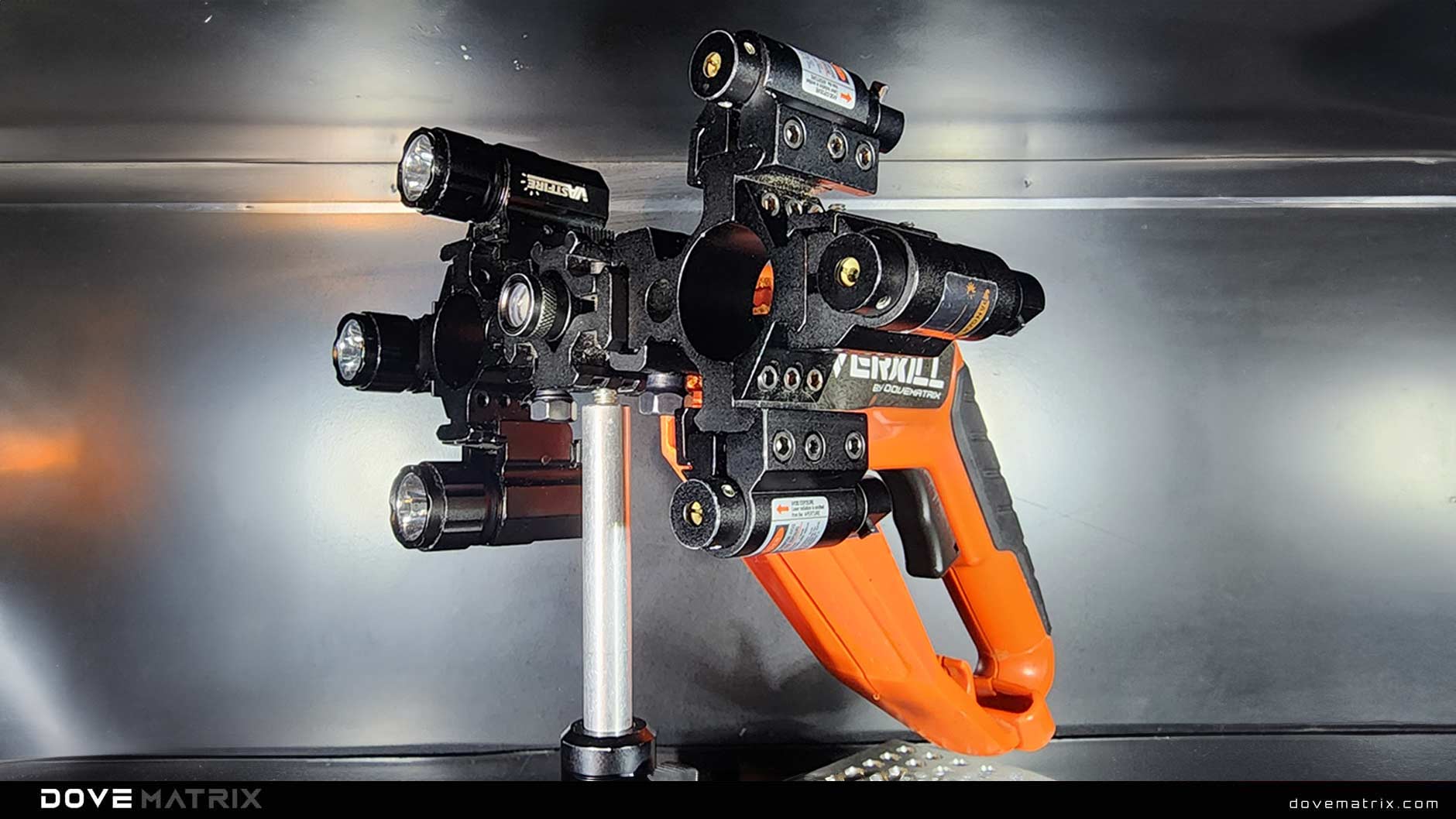
Reinforced barrel construction withstands extreme chamber pressures during firing sequences. Dual recoil dampening systems combine hydraulic shock absorption with counter-mass mechanisms, distributing reactive forces across load-bearing frame components while maintaining structural integrity through repeated high-energy discharge cycles.
OVERKILL Analysis Energy
Multi-stage propulsion system delivers extreme kinetic energy to projectiles through compound acceleration chambers. Peak muzzle velocity exceeds 2800 m/s with projectile masses ranging 15-85 grams, generating impact forces sufficient to penetrate reinforced barriers and deliver catastrophic target damage through massive momentum transfer.
OVERKILL Analysis Signal
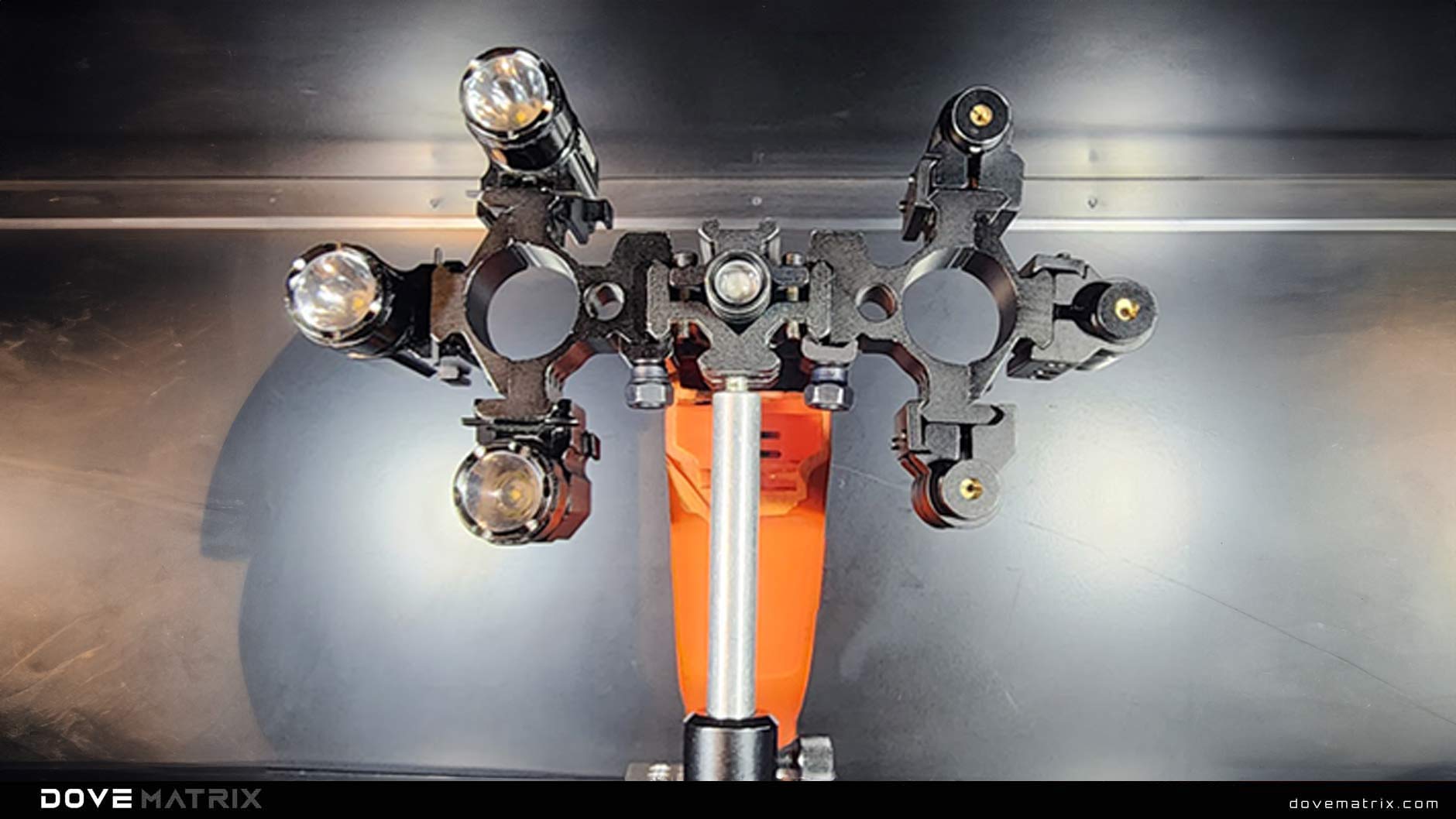
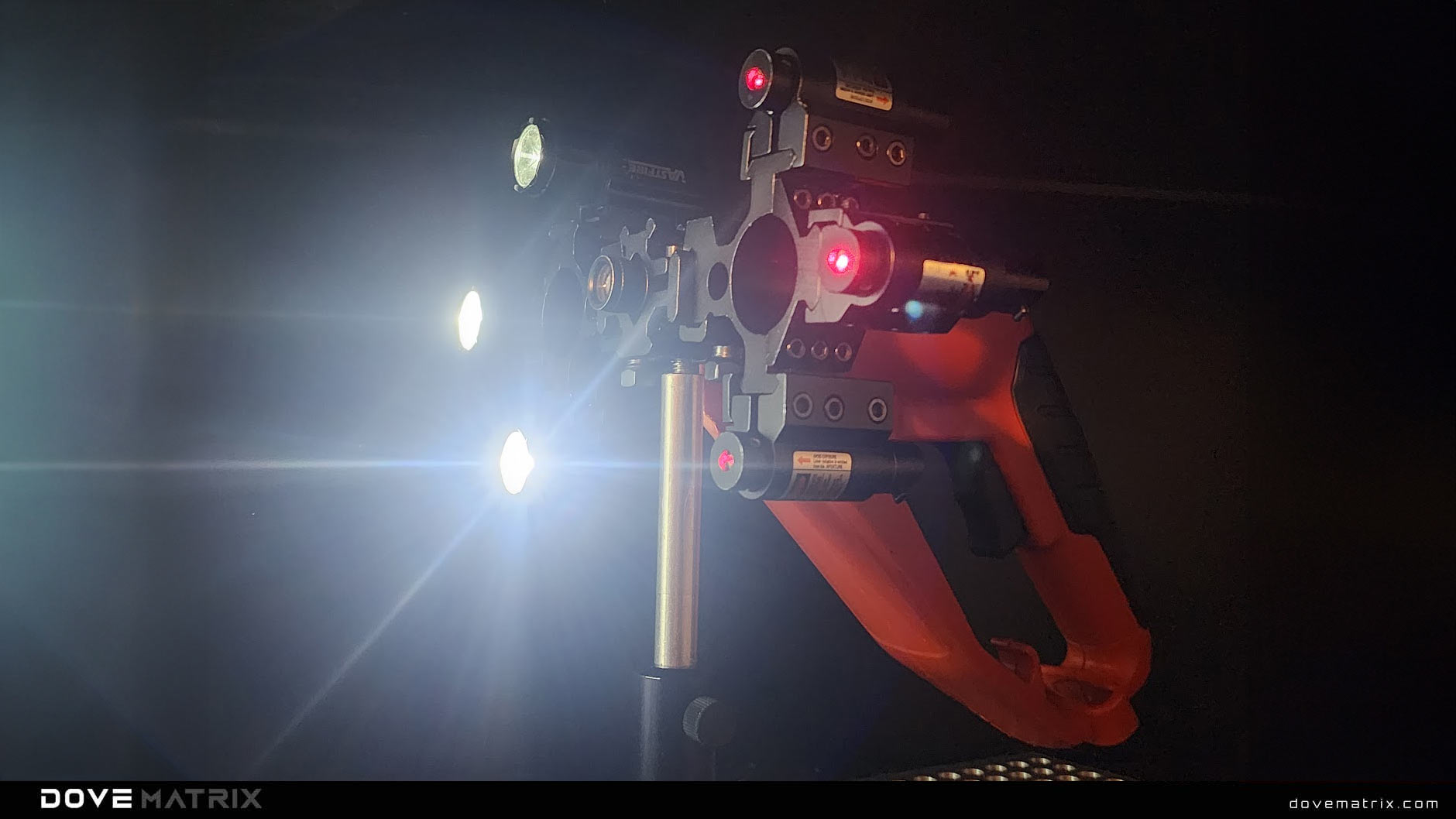
Triple-array strobe lighting system provides visual target acquisition support with synchronized flash patterns. Precision aiming laser grid projects multi-point targeting overlay enabling range estimation and trajectory compensation. Integrated fire control computer predicts recoil deviation and adjusts aim point for follow-up shots with predictive stabilization algorithms.
Profile
Overview
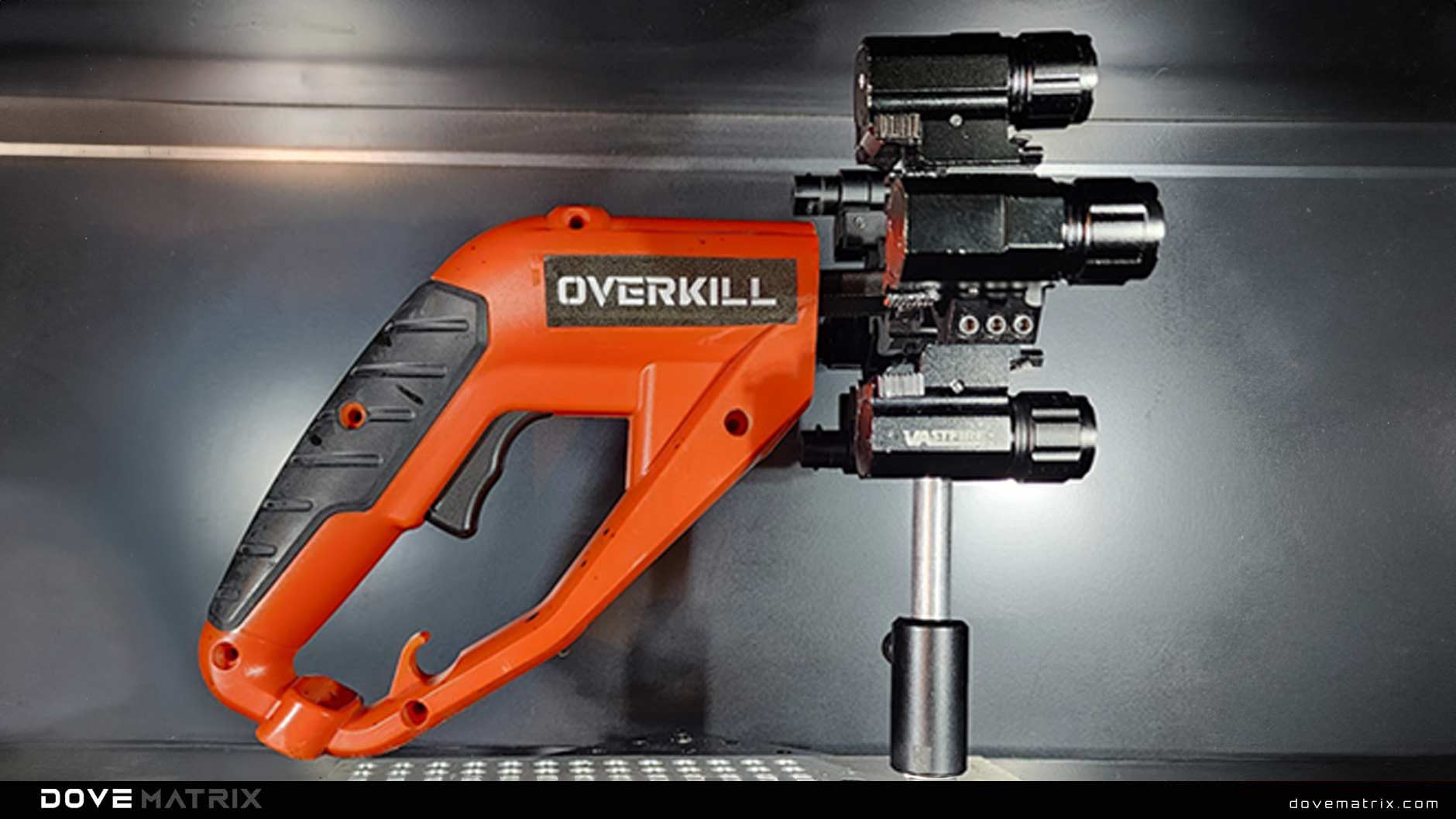
OVERKILL embodies the tactical doctrine of overwhelming force application, delivering kinetic energy magnitudes that deliberately exceed target neutralization requirements by substantial margins. The system philosophy rejects efficiency optimization in favor of absolute certainty, ensuring complete mission success through disproportionate force projection that eliminates uncertainty from combat equations.
The designation—Overwhelming Velocity Energy Release Kinetic Impact Lethality Launch—emphasizes every aspect of the platform's approach to target engagement: maximum projectile velocity, maximum energy release, maximum kinetic transfer, maximum impact lethality. The result is a weapon system designed to achieve definitive results through force magnitudes that render target hardening and defensive measures ineffective.
Architecture
The acceleration chamber employs a three-stage propulsion system combining traditional chemical propellants with electromagnetic augmentation. Initial combustion drives the projectile through the primary acceleration zone, followed by magnetic coil induction boosting velocity through secondary acceleration. A final stage applies micro-second duration plasma impulse for terminal velocity enhancement just prior to barrel exit.
Barrel construction utilizes heat-treated alloy steel with ceramic composite lining to withstand chamber pressures exceeding 85,000 PSI. Heat dissipation channels machine into the barrel sleeve conduct thermal energy away from the bore, preventing heat accumulation that would degrade accuracy during sustained fire. Rifling geometry imparts stabilizing spin to projectiles while minimizing barrel wear through optimized contact surface distribution.
The recoil management system combines two complementary approaches: hydraulic dampeners absorb initial impact forces through progressive resistance fluid chambers, while counter-rotating mass systems generate opposing momentum vectors. This dual-mechanism approach reduces perceived recoil by 73% compared to raw system output, enabling operator control during rapid engagement sequences without sacrificing projectile velocity.
Behavior
Activation sequences initiate electromagnetic coil charging, requiring 3-5 seconds for capacitor banks to reach operational voltage. During this pre-fire state, the strobe array activates with rapid-flash patterns designed to disorient targets and create visual acquisition advantages for the operator. The aiming laser grid projects onto target surfaces, providing both range data and impact point confirmation.
Firing triggers the three-stage acceleration sequence with precisely timed propellant ignition and electromagnetic pulse coordination. Projectile exit generates substantial muzzle flash and acoustic report; integrated flash suppressors reduce visible signature by 60% while redirecting blast gases away from operator sight lines. Recoil forces transmit through the dampening system with peak operator-experienced forces occurring 40 milliseconds post-trigger.
Post-fire reset involves several automatic processes: capacitor recharge initiates immediately, barrel cooling systems engage to manage thermal load, spent propellant residue is purged through ventilation ports, and the targeting computer updates aim point predictions based on observed recoil patterns. Full operational readiness returns within 6-8 seconds depending on ambient temperature and previous firing frequency, allowing sustained engagement at tactically relevant intervals.