
ARCHIVE ID
BM-SPD-2024-07
CATEGORY
BioMechs
STATUS
Active
CONDITION
Operational
SPIDER
Synthetic Pedal Intelligence Data Engineering Robot
Analysis
SPIDER Analysis Structure
Eight independently articulated limbs provide omnidirectional mobility through three-axis servo joints at each leg connection point. Carbon fiber skeletal elements combine minimal weight with structural rigidity, supporting both static loads and dynamic movement forces. Central chassis houses processing core, power management systems, and sensor arrays within protective polymer shell mimicking biological exoskeleton architecture.
SPIDER Analysis Energy
Integrated power distribution system utilizes lithium-polymer cells delivering 12V regulated output to servo actuators and processing units. Energy consumption scales dynamically based on activity level, ranging from 2.5W standby mode to 45W peak locomotion. Photovoltaic panels embedded in dorsal carapace surfaces provide trickle charging capabilities, extending autonomous operation duration during daylight conditions.
SPIDER Analysis Signal
Multi-sensor array integrates photoreceptors, pressure transducers, and proximity detectors enabling comprehensive environmental awareness. Neural network processor analyzes sensory inputs in real-time, generating adaptive behavioral responses through reinforcement learning algorithms. Wireless telemetry system broadcasts operational status and sensor data to monitoring stations while receiving high-level command inputs for mission parameter adjustment.
Profile

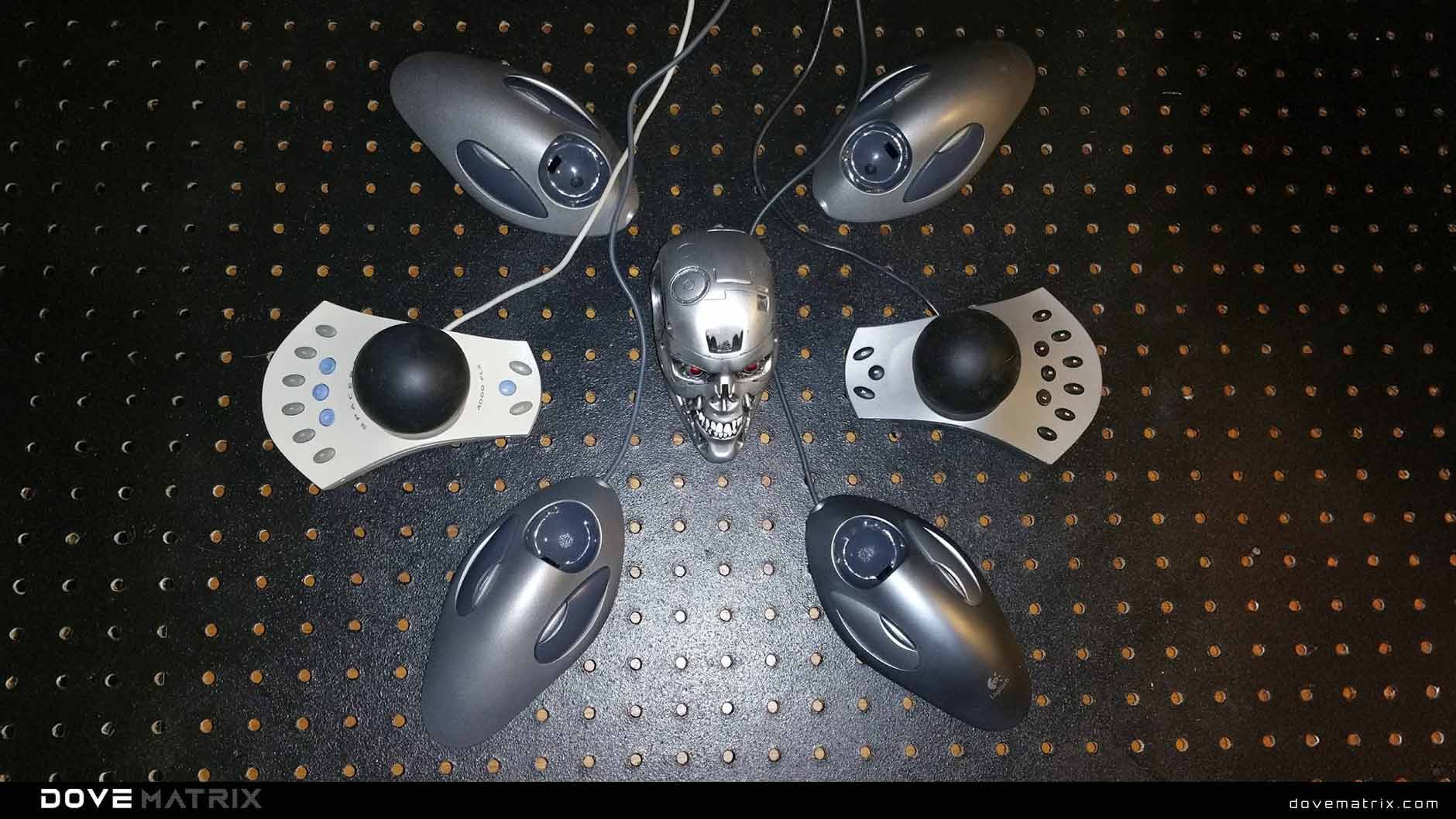

Overview
SPIDER represents a breakthrough in biomimetic robotics, translating the remarkable capabilities of natural arachnids into synthetic mechanical systems. The platform combines biological inspiration with engineering precision, creating an autonomous agent capable of navigating complex environments through adaptive learning and multi-modal sensory processing. Multiple articulated limbs provide stability and mobility across irregular surfaces that would challenge wheeled or tracked systems.
Designated as Synthetic Pedal Intelligence Data Engineering Robot, the unit demonstrates emergent behaviors through neural network processing that mimics biological learning patterns. Photo-sensitive responses enable light-seeking or light-avoiding behaviors depending on operational parameters, while tactile pressure sensors provide feedback for delicate manipulation tasks and obstacle avoidance. The result is a platform that exhibits lifelike movement patterns and environmental interaction despite purely mechanical origins.
Architecture
The locomotion system employs eight independent leg assemblies, each containing three servo-actuated joints providing hip, knee, and ankle articulation analogous to arthropod limb structure. Servo motors (20kg-cm torque rating) deliver sufficient force for obstacle climbing and load carrying while maintaining compact form factor. Carbon fiber leg segments minimize rotational inertia, enabling rapid limb repositioning during gait transitions without excessive energy expenditure.
Central processing consists of a dual-core ARM Cortex processor running real-time operating system optimized for sensor fusion and motor control. Inverse kinematics algorithms calculate joint angles required to position leg endpoints at desired coordinates, abstracting high-level movement commands into individual servo positions. Gait pattern generation utilizes parametric models inspired by biological hexapod and octopod locomotion, adjusting leg coordination based on terrain characteristics and stability requirements.
The sensor suite integrates multiple input modalities: eight photoreceptors (one per leg) detect light intensity and direction; sixteen pressure-sensitive pads distributed across leg tips and body provide tactile feedback; ultrasonic ranging modules measure obstacle distances in six directions around the chassis. All sensor streams feed into the neural network processor where weighted connections learned through training determine behavioral outputs based on environmental conditions and mission objectives.
Behavior
Upon activation, SPIDER executes a self-diagnostic sequence testing servo response, sensor functionality, and power system status. Initial stance assumes a neutral position with chassis elevated 8cm above ground plane, distributing weight evenly across all eight leg contact points. The neural network initializes with baseline connection weights, then begins environmental assessment through systematic sensor sampling to establish operational context.
Locomotion initiates through wave gait patterns where legs move in coordinated sequences creating smooth forward progression. As the unit encounters obstacles or uneven terrain, the gait adapts dynamically—switching to tripod patterns for increased stability on slopes, or alternating tetrapod sequences when climbing over barriers. Photoreceptor inputs influence navigation decisions, with light-attraction behaviors causing the unit to orient toward brightest areas when in exploration mode.
Adaptive learning occurs through reinforcement algorithms that strengthen neural connections associated with successful outcomes. When tactile sensors detect stable footing during a particular leg movement sequence, connection weights favoring that motor pattern increase slightly. Conversely, movements resulting in leg slippage or chassis instability receive negative reinforcement. Over extended operation periods, the unit develops terrain-specific gaits optimized for local environmental conditions, exhibiting increasingly efficient movement patterns that emerge from accumulated experience rather than explicit programming.