ARCHIVE ID
DR-STM-2024-03
CATEGORY
DataRelics
STATUS
Archived
CONDITION
Partially Degraded
STARMAP
Stellar Tracking Astronomical Recording Matrix for Astrophysical Positioning
Analysis
STARMAP Analysis Structure
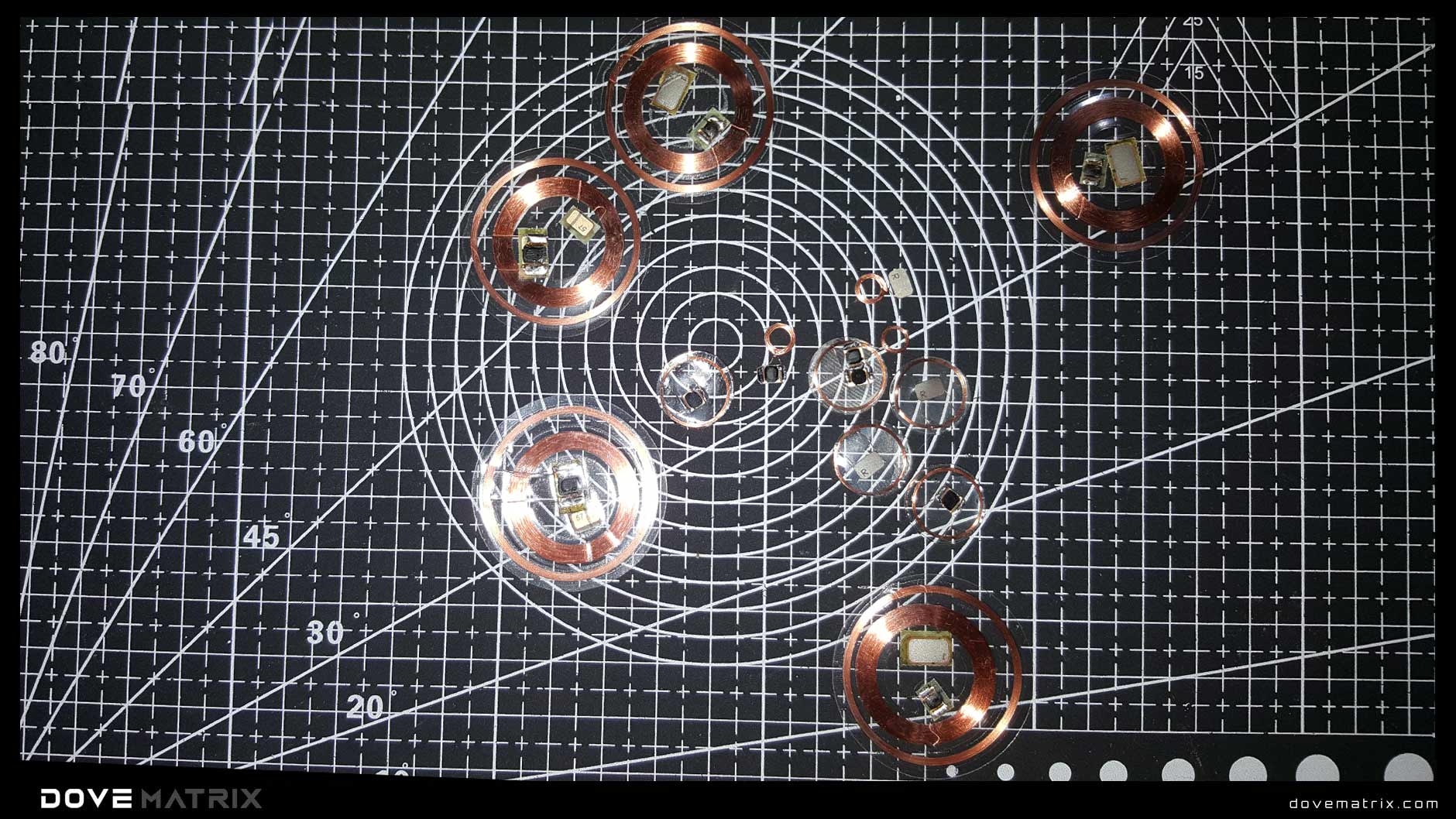
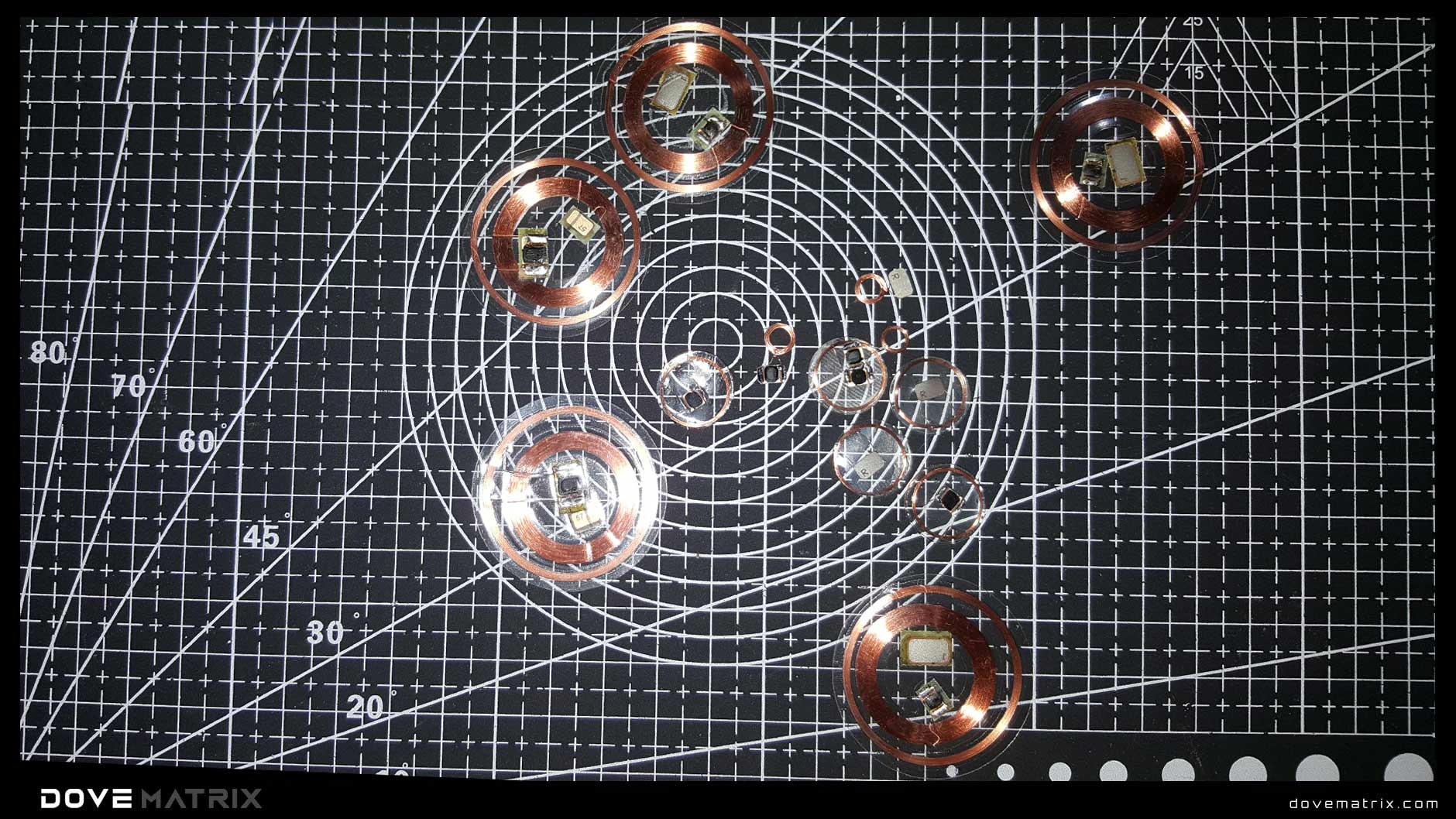
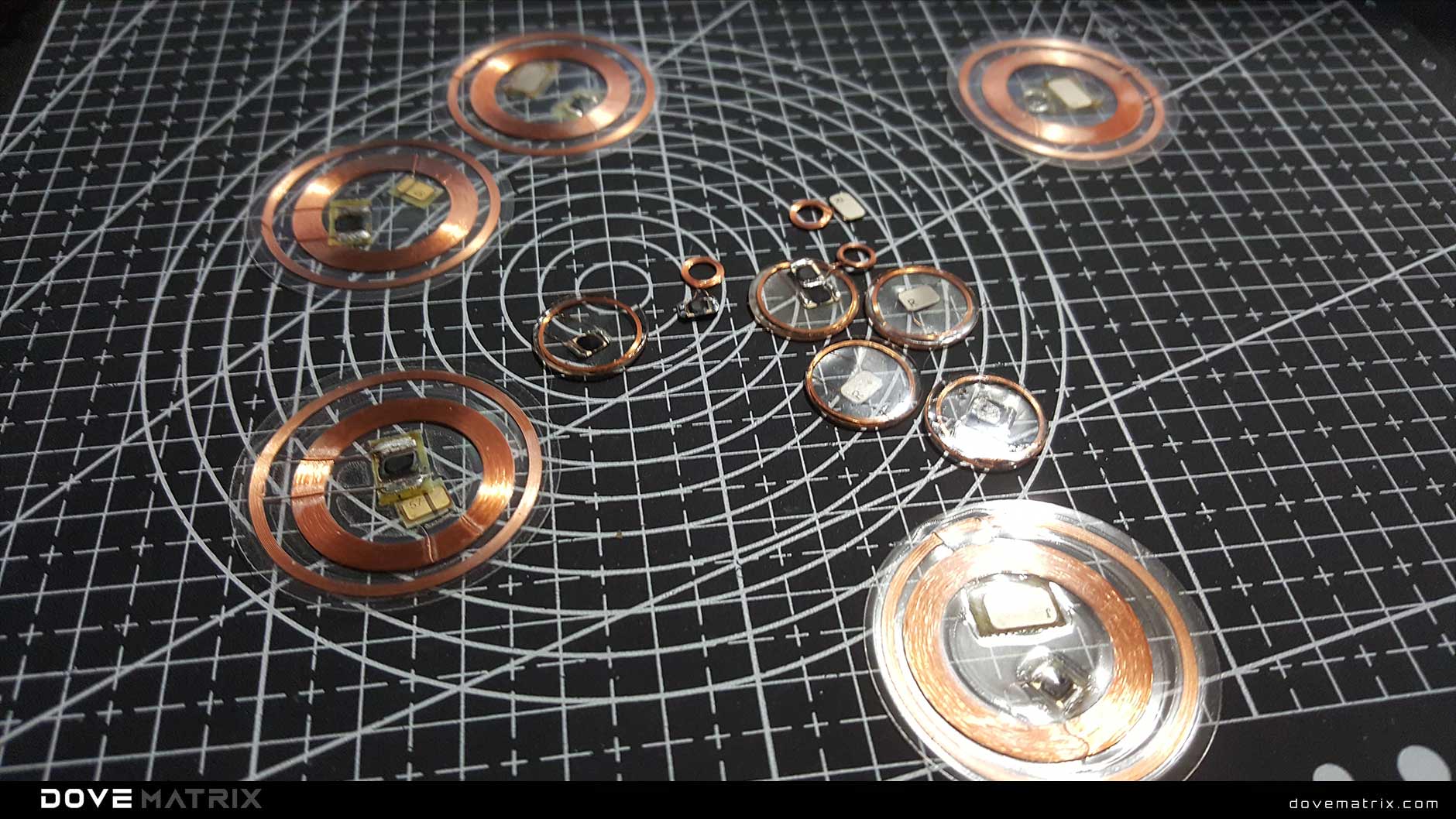
Circuit pathways mirror observed stellar formations from late 21st-century astronomical databases, suggesting intentional astronomical encoding in physical architecture. Hybrid analog-digital construction combines etched copper traces with embedded crystalline matrices. Partial corrosion and component degradation indicate exposure to uncontrolled environmental conditions post-recovery from Site Gamma-7 excavation.
STARMAP Analysis Energy
Residual electromagnetic signatures detected within crystalline storage matrices indicate former power distribution networks. Passive energy states suggest long-term dormancy following catastrophic system failure. Degraded capacitor banks show evidence of rapid discharge events consistent with emergency shutdown protocols during terminal operational phase.
STARMAP Analysis Signal
Partial data decryption reveals coordinate systems matching stellar drift patterns observable from Earth orbit circa 2087-2095. Three anomalous glyphs embedded in quantum storage nodes resist translation attempts, possibly representing lost knowledge or deliberate encryption. Cross-referencing with archived navigation systems shows 73% pattern correlation with known deep-space trajectory protocols.
Profile

Overview
STARMAP represents a sophisticated navigation circuit recovered from Site Gamma-7 during 2024 archaeological excavations. The artifact demonstrates advanced astronomical computation capabilities from a collapsed technological civilization, with circuit architecture that deliberately mirrors celestial formations observable in late 21st-century sky surveys. Physical pathways etched into substrate materials trace constellation patterns and stellar drift trajectories, transforming functional electronics into astronomical records.
Dating analysis places the artifact's origin approximately 2087-2095, during a period of intensive deep-space exploration efforts that preceded the societal collapse documented in recovered historical fragments. The designation—Stellar Tracking Astronomical Recording Matrix for Astrophysical Positioning—reflects the system's apparent purpose as both navigation computer and astronomical reference database. Current condition shows partial degradation from extended exposure to uncontrolled environmental conditions prior to archival recovery and climate-stabilized storage.
Architecture
The circuit substrate employs multi-layer construction with copper trace pathways connecting discrete computational nodes. Pattern analysis reveals deliberate geometric arrangements matching known stellar configurations: Orion constellation elements appear in the upper-left quadrant, Ursa Major structures dominate the northern sector, and Southern Cross patterns define the lower regions. This astronomical encoding suggests dual functionality—operational circuitry that simultaneously serves as navigational reference map.
Hybrid architecture combines traditional semiconductor logic gates with crystalline quantum storage elements. The quantum nodes show evidence of data encoding at atomic-scale precision, potentially storing vast astronomical databases in minimal physical volume. Degradation of some crystalline structures has resulted in partial data loss, though approximately 60% of stored information remains theoretically recoverable through advanced scanning electron microscopy and spectral analysis techniques.
Power distribution networks follow radial patterns emanating from central processing cores, with redundant pathways providing fault tolerance. Capacitor banks positioned at circuit periphery show geometric arrangements suggesting harmonic resonance optimization—a design approach that maximizes energy storage density while minimizing electromagnetic interference between adjacent computational sectors. Several capacitors display catastrophic failure signatures, indicating possible power surge events during final operational period.
Behavior
Historical reconstruction based on circuit topology suggests operational behavior centered on continuous astronomical position tracking and trajectory calculation. The system would have processed stellar parallax measurements, comparing observed positions against reference databases stored in crystalline matrices to determine spacecraft location and velocity vectors. Processing loops optimized for real-time updates indicate operational refresh rates in the millisecond range.
Navigation algorithms encoded in circuit pathways appear to utilize three-point stellar triangulation methods, cross-referencing multiple constellation observations to eliminate ambiguity in position calculations. The presence of Doppler compensation networks suggests accommodation for relativistic effects during high-velocity travel, with correction factors calculated dynamically based on observed spectral shifts in reference stars.
Terminal operational phase appears to have involved emergency procedures, evidenced by blown fuses in non-critical pathways and preserved states in redundant backup systems. Analysis suggests deliberate preservation attempts—shutting down auxiliary functions to protect core astronomical data during power failure scenarios. The three untranslated glyphs embedded in protected memory sectors may represent critical mission parameters or encrypted coordinates that operators prioritized for survival through system failure events.