ARCHIVE ID
TST-3427
CATEGORY
ChronoWorks
STATUS
Active
CONDITION
Operational
TIMETABLE
Temporal Interface Management & Event Tracking Analytical Balancing Layer Engine
Analysis
TIMETABLE Temporal Analysis Structure
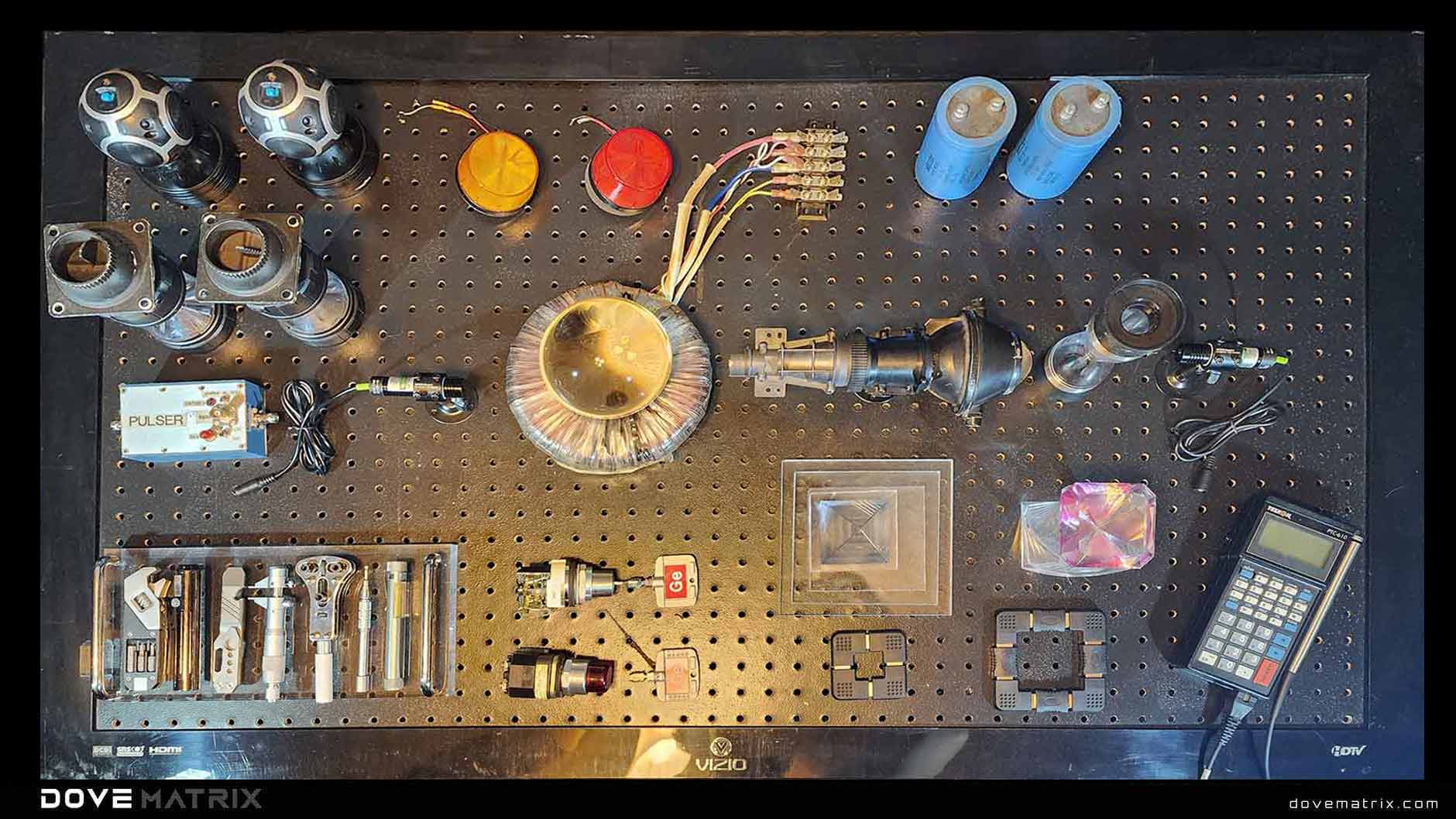
Advanced overlay visualization system revealing temporal field patterns and energy signatures across the interface structure. Multiple diagnostic layers can be combined for detailed analysis.
TIMETABLE Temporal Analysis Energy
Standard diagnostic mode displaying the TIMETABLE interface in its primary operational state. All temporal tracking components are visible and functional for baseline analysis.
TIMETABLE Temporal Analysis Signal
Internal circuitry and pathway analysis mode exposing the underlying temporal flow mechanisms and chronometric processing routes within the TIMETABLE architecture.
Profile
Overview
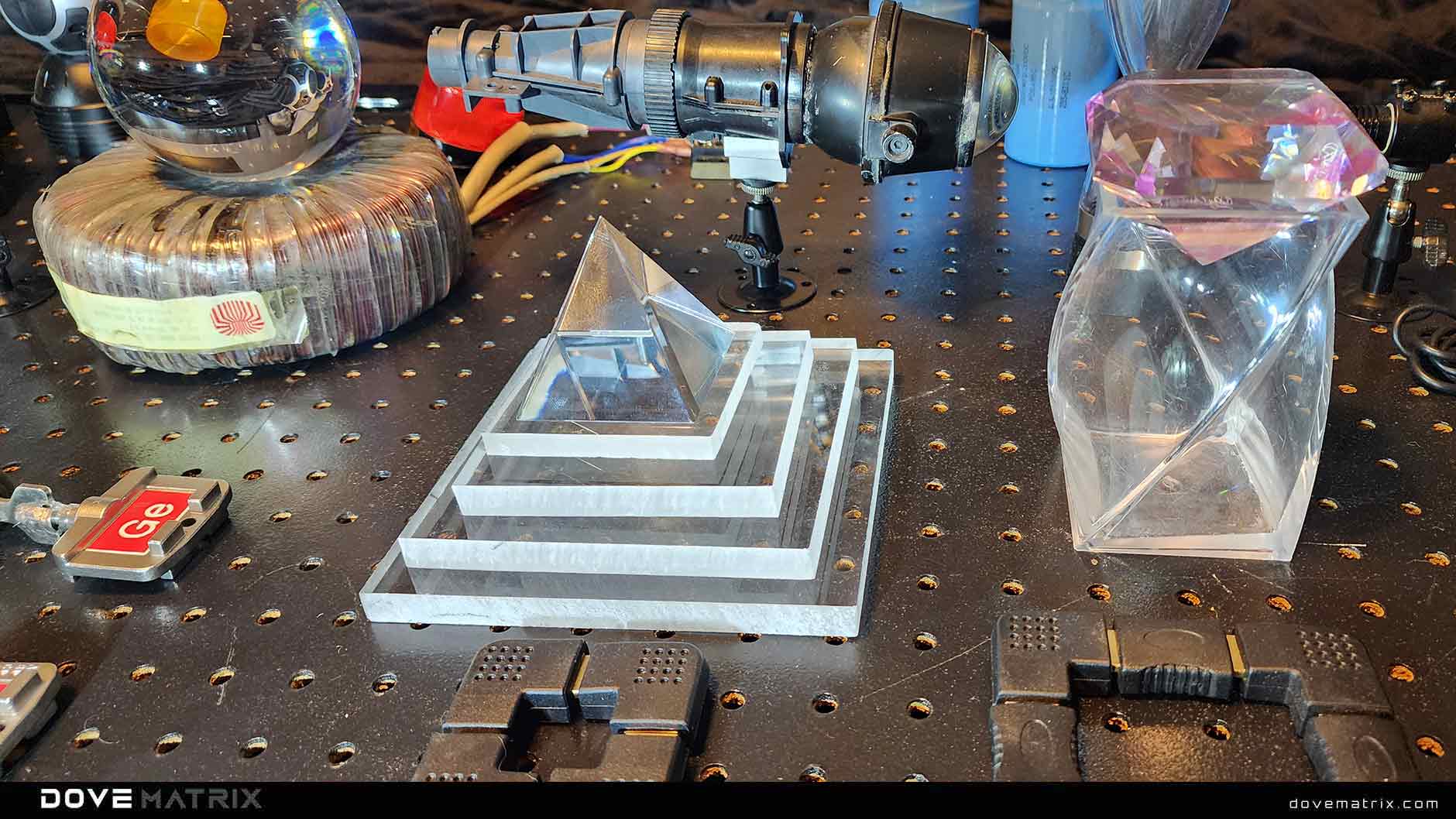
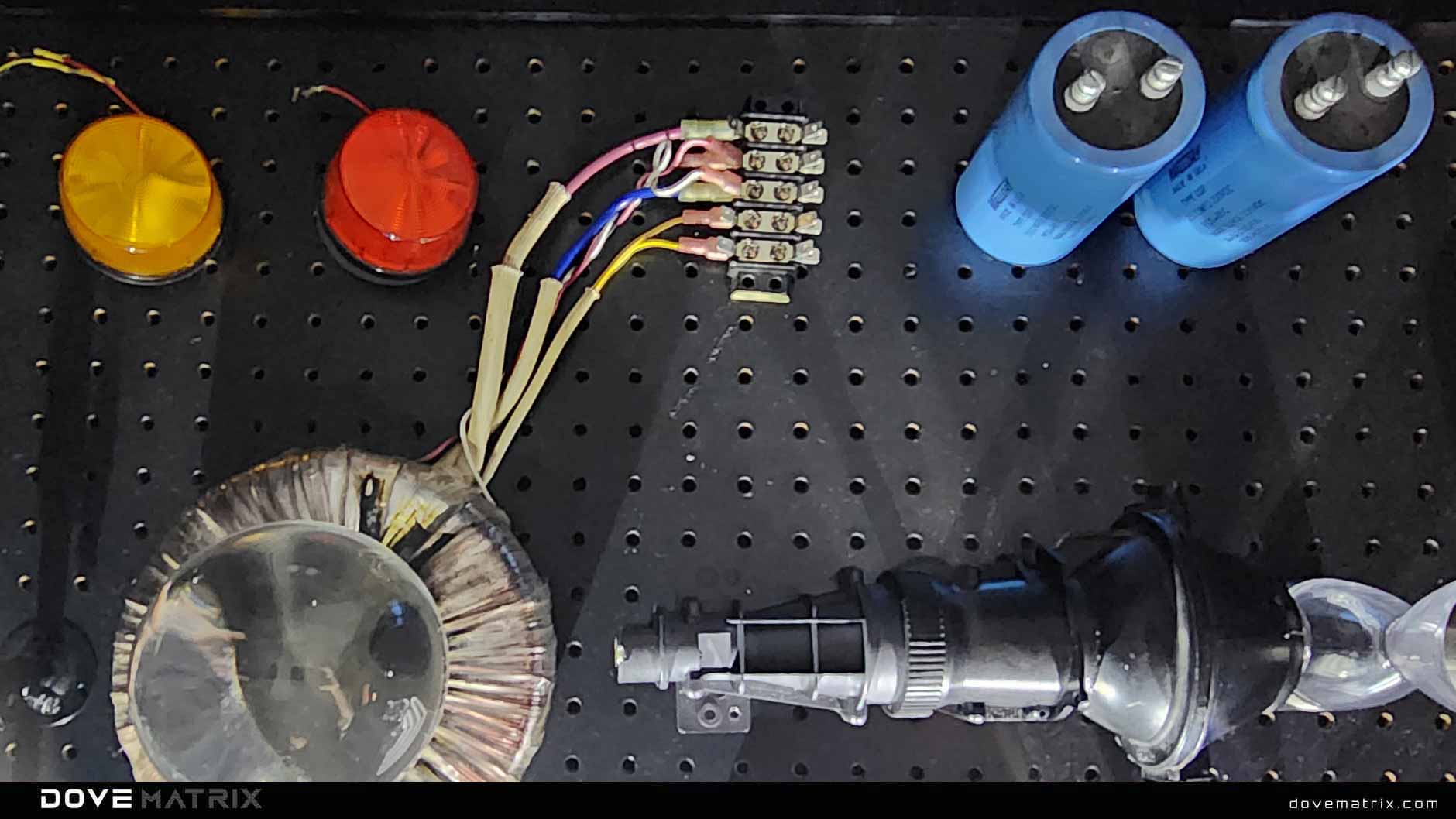
TIMETABLE is a structured time-sequencing interface designed for organizing and visualizing temporal progressions, event scheduling, and chronological pattern analysis. Unlike standard chronometric devices, TIMETABLE operates as both a display and an analytical instrument for temporal data mapping.
The system integrates multiple time-tracking mechanisms into a unified visual framework, enabling precise coordination of time-based operations and experimental temporal alignment protocols. Features multi-layer temporal visualization with synchronized displays, precision chronometric tracking across multiple time zones, event scheduling with sub-second accuracy, and temporal pattern recognition with automated anomaly detection.
Architecture
The TIMETABLE operational architecture employs a multi-threaded temporal processing system that manages simultaneous timeline tracking without interference. Core functions include chronometric synchronization, event queue management, temporal buffer allocation, and predictive sequencing algorithms.
Activation state is continuous with no initialization sequence required. The device maintains perpetual temporal alignment across all integrated chronometric sensors and displays, ensuring consistent time reference regardless of external temporal distortions or field interference.
Behavior
Temporal calibration requires synchronization with external reference sources to maintain accuracy during extended operational periods. Primary calibration involves baseline temporal alignment, field strength optimization, event horizon synchronization, and anomaly threshold configuration.
Adjusting chronometric devices and ensuring balanced time flows during field stabilization prevents temporal drift and maintains operational precision. Regular calibration cycles are recommended every 120 operational hours to compensate for quantum fluctuation accumulation in the temporal processing circuits.