ARCHIVE ID
CHR-TTR-2024-01
CATEGORY
ChronoWorks
STATUS
Active
CONDITION
Experimental
TITOR
Temporal Interface Transit Observation Recording
ANALYSIS
TITOR Energy
Temporal field energy distribution analysis revealing power consumption patterns and quantum entanglement stability across the device architecture. Energy signatures indicate active chronological displacement zones and temporal anchor point intensities.
TITOR Structure
Physical and quantum structural analysis of the temporal navigation architecture. Component hierarchy reveals layered temporal displacement mechanisms including quantum entanglement matrices, chronometric sensors, timeline branch processors, and observer state isolation chambers distributed across the device framework.
TITOR Signal
Temporal signal routing and chronological data flow pathways analysis. Signal traces track timeline branch probability calculations, temporal displacement vectors, and paradox prevention algorithms as they propagate through the navigation interface. Real-time monitoring reveals quantum state synchronization patterns and observer feedback loops.
PROFILE
Overview
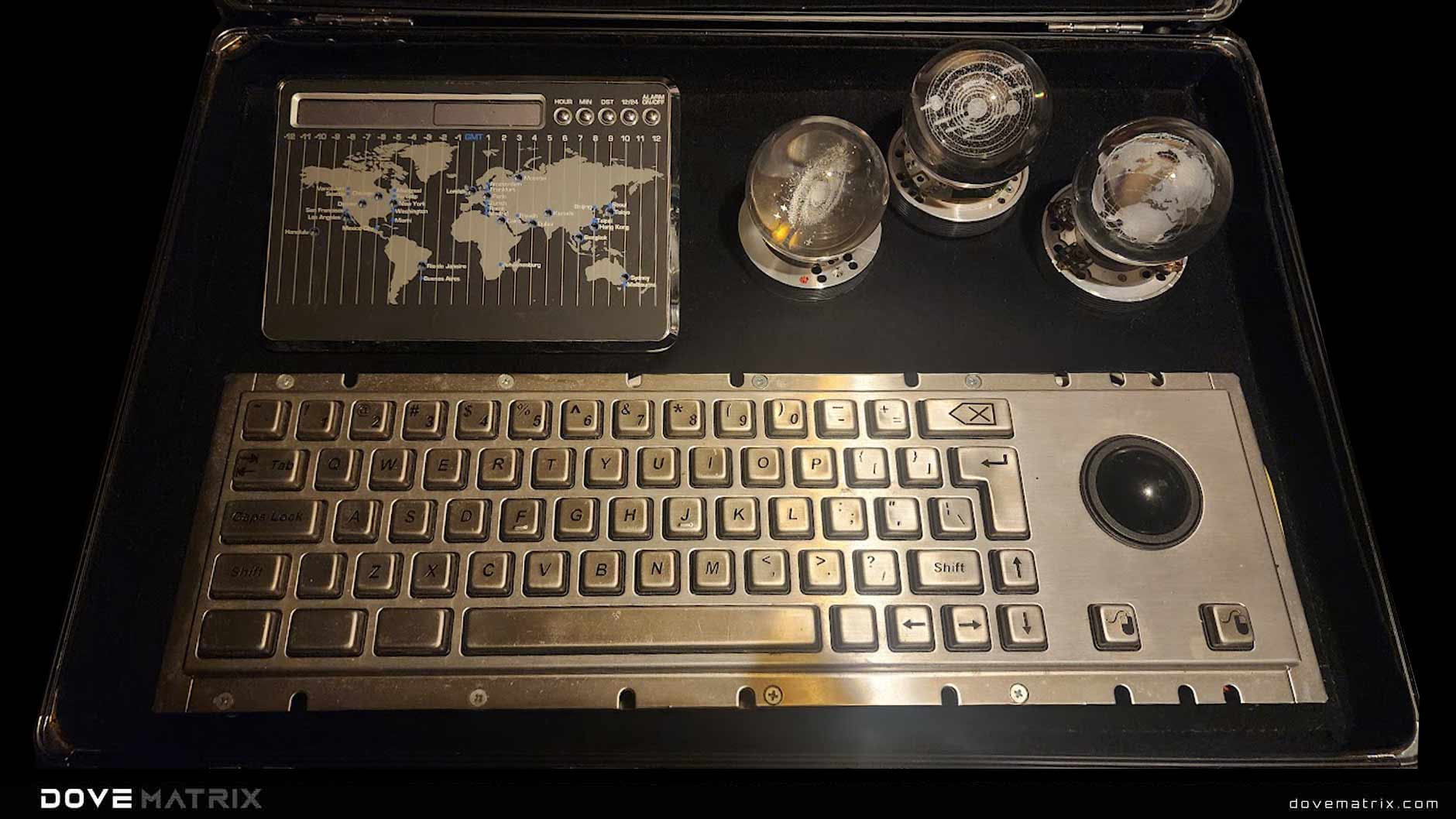
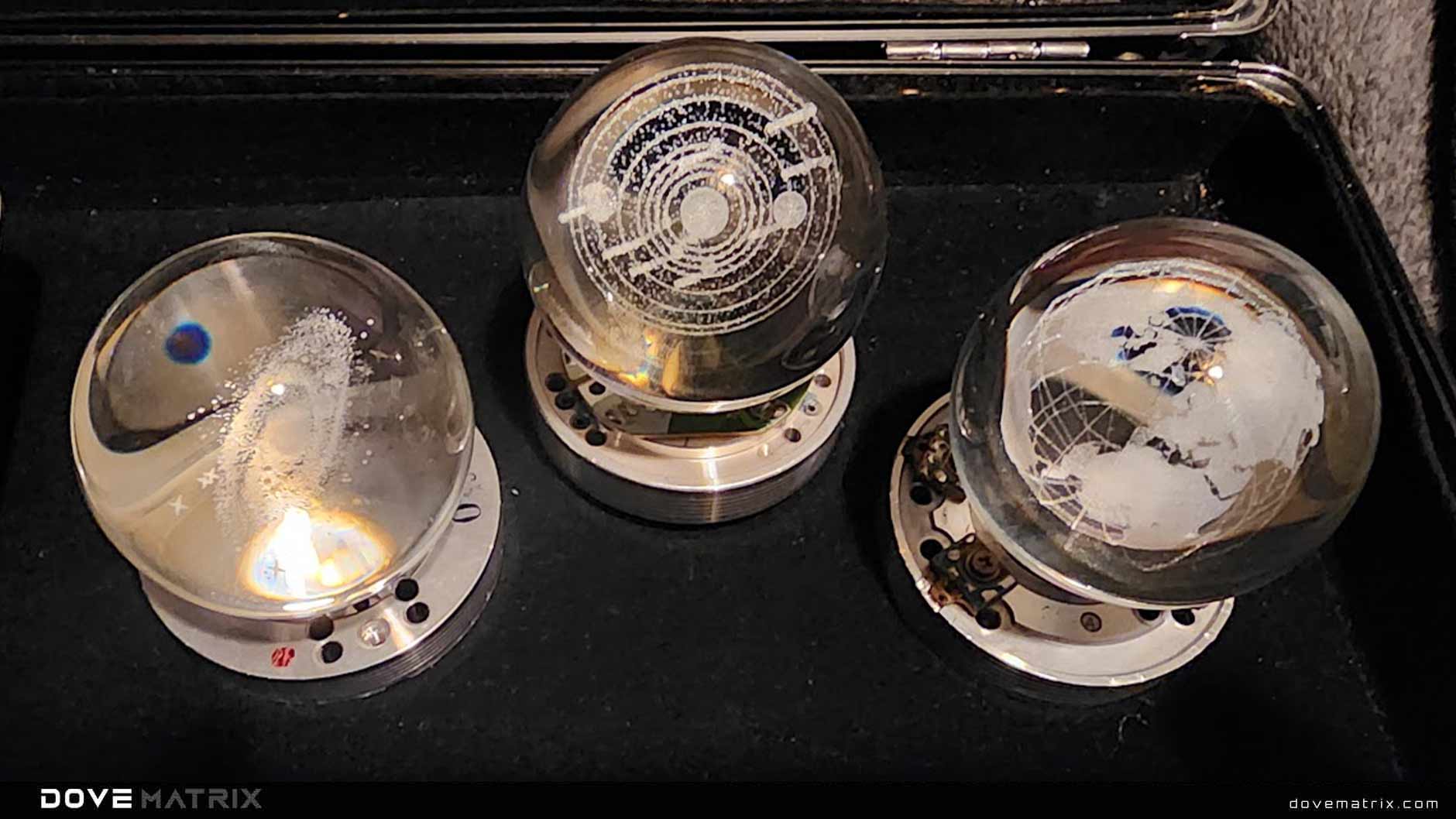
TITOR is an experimental temporal navigation device designed for chronological displacement observation and non-linear timeline exploration. Unlike passive chronometric instruments, TITOR actively interfaces with temporal field structures to enable navigation across probability-weighted timeline branches.
The system employs quantum entangled sensors to detect temporal displacement anomalies with nanosecond precision, while visual rendering engines display multiple timeline branches simultaneously. Core capabilities include real-time observation of probability cascades, causal divergence mapping, timeline branch navigation with stability monitoring, and experimental phase stabilization to prevent observer paradox effects during extended monitoring sessions.
Architecture
The TITOR device implements a multi-layered temporal processing architecture built around quantum entanglement matrices and chronometric sensor arrays. The core structure consists of three primary subsystems: temporal field detection and analysis modules, timeline probability calculation engines, and observer state isolation chambers.
Quantum entanglement matrices form the foundation of the temporal sensing apparatus, maintaining coherent quantum states across multiple timeline branches. Chronometric sensors interface directly with local temporal field structures to detect displacement anomalies and probability cascades. Timeline processors analyze incoming temporal data streams using specialized algorithms for paradox prevention and causal divergence mapping. The observer isolation system prevents feedback contamination between the device operator and monitored timeline branches, ensuring accurate non-invasive temporal observation.
Behavior
TITOR exhibits distinct operational behavior patterns during active temporal navigation sessions. Activation requires meeting three critical conditions: temporal field stability above threshold, quantum entanglement lock established, and observer state calibration complete. Once active, the device maintains limited operational windows of approximately 47.3 seconds before requiring recalibration to prevent temporal feedback loops.
During operation, TITOR continuously monitors timeline branch probability densities and adjusts quantum entanglement parameters to maintain stable observation channels. The device demonstrates adaptive behavior in response to temporal field fluctuations, automatically compensating for chronological interference and probability cascade disruptions. Warning indicators activate when stability duration approaches operational limits or timeline interference exceeds safe boundaries. In catastrophic failure scenarios, emergency protocols engage automatic timeline stabilization and quantum state decoupling, entering safe mode with immediate session termination and mandatory observer verification before subsequent operations can be authorized.