ARCHIVE ID
CW-DWT-2024-01
CATEGORY
CyberWear
STATUS
Active
CONDITION
Operational
DATAWATCH
Digital Access Tactical Awareness Wearable Architecture Tracking Communication Hub
Analysis
DATAWATCH Structural Architecture
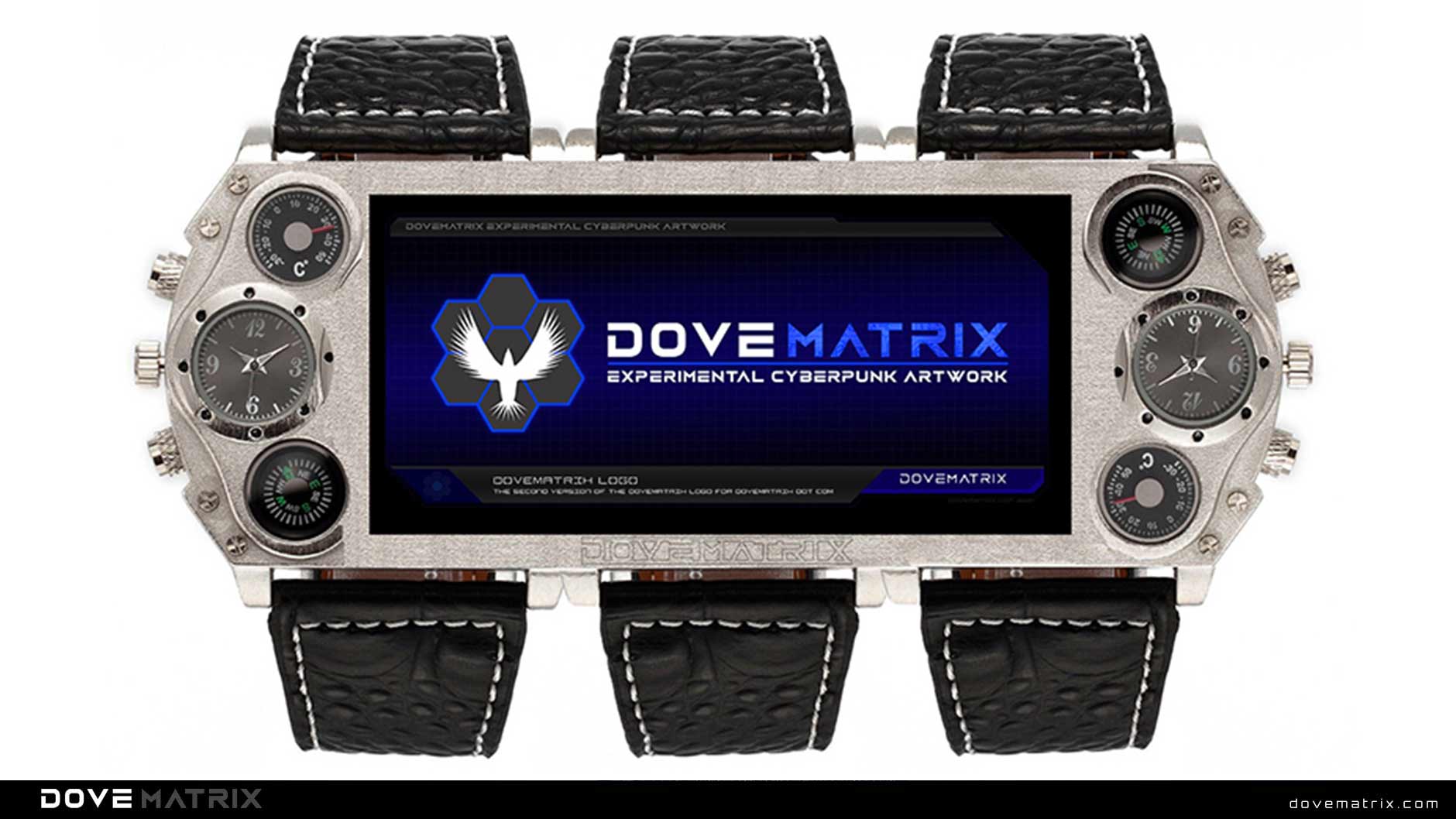
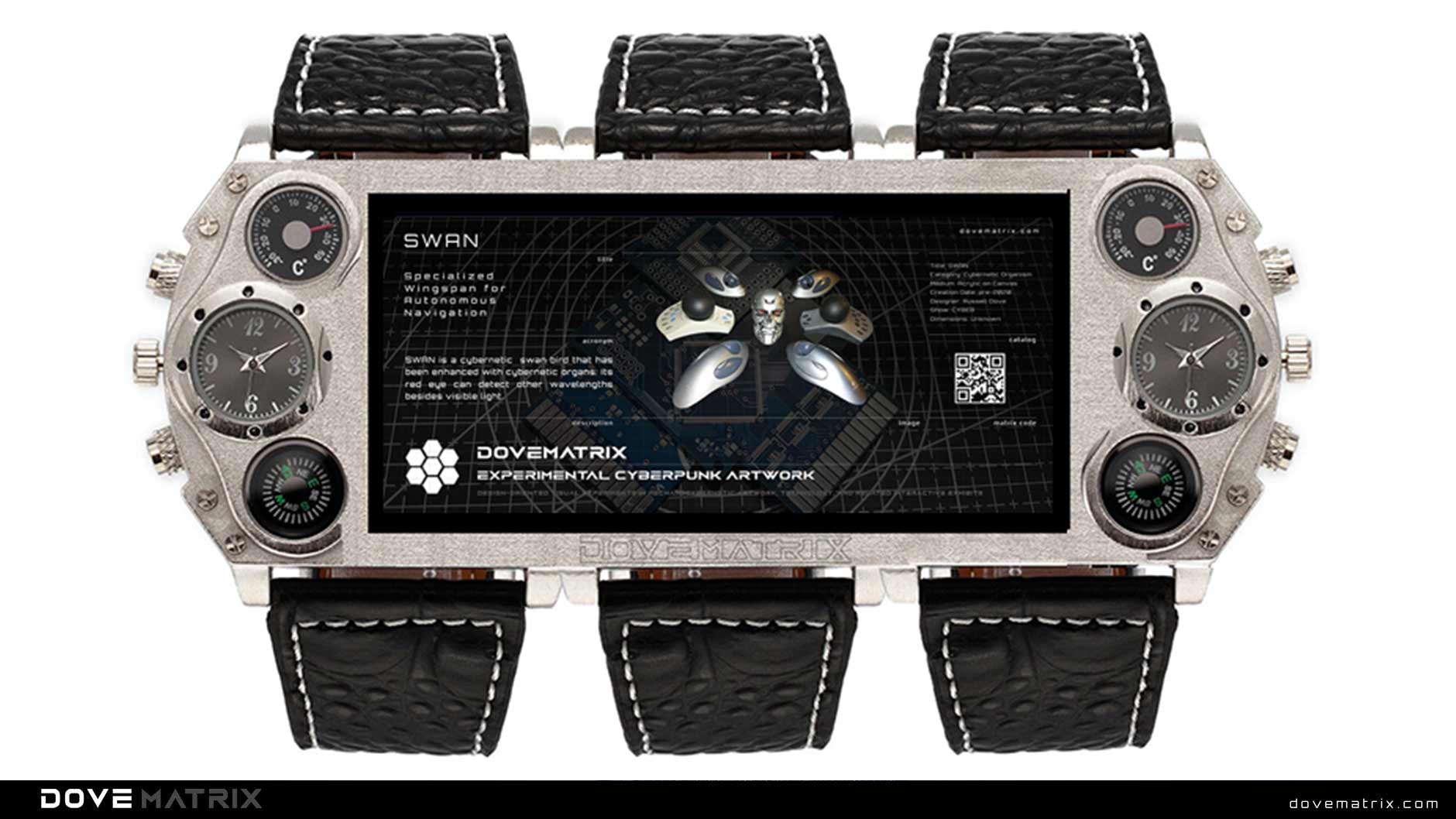
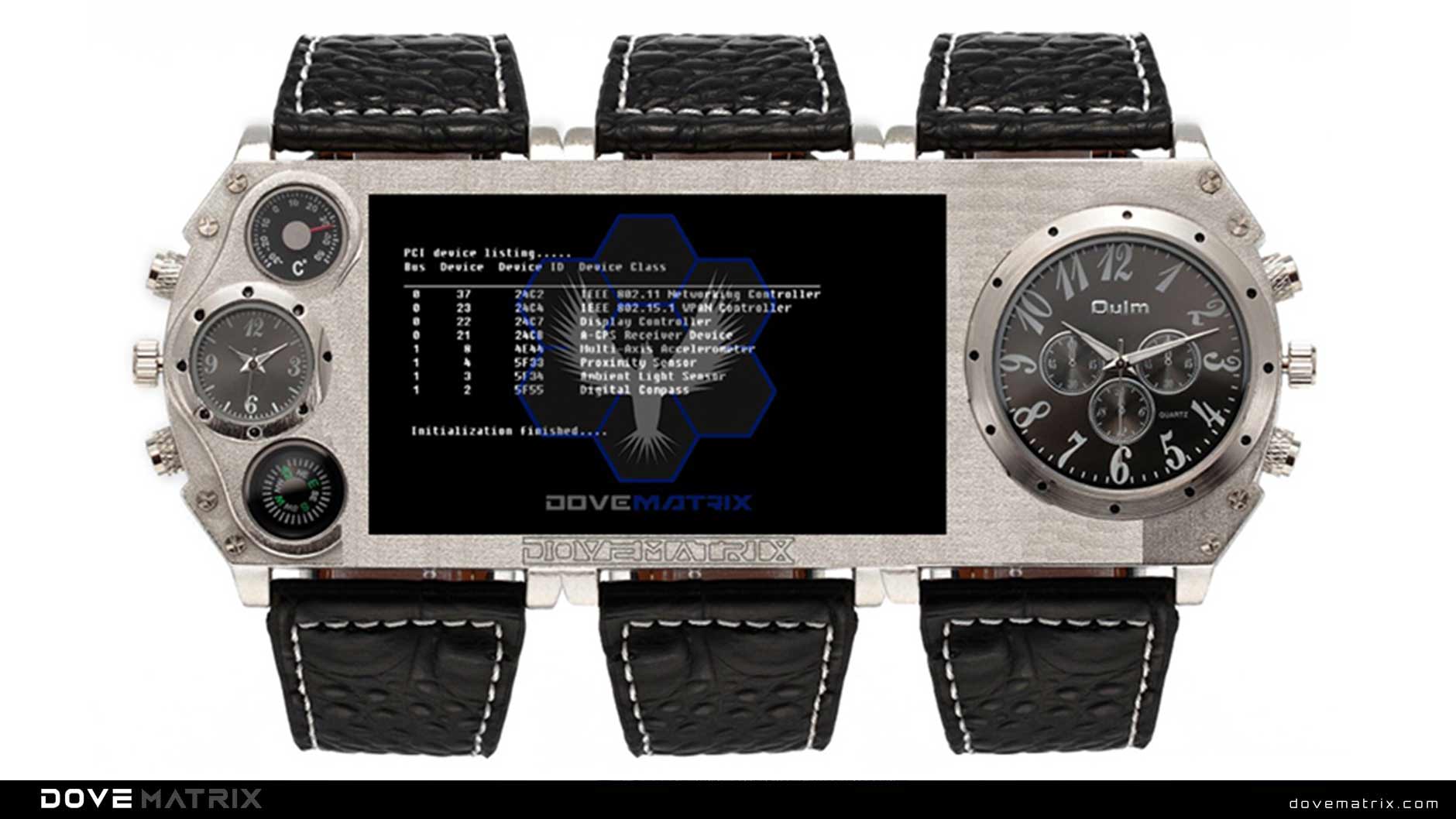
Expanded case geometry and multi-dial integration define the device's mechanical footprint. The widened chassis redistributes mass laterally to support auxiliary instrumentation modules while preserving wrist stability.
The primary analog chronograph remains central, flanked by secondary gauges embedded into a reinforced octagonal housing. Multiple crown interfaces and tactile control nodes are positioned for dual-handed calibration.
The strap system is segmented to support the increased span, distributing load across a broader wrist contact zone. Structural fasteners and exposed mechanical elements emphasize the device's industrial intent.
This section defines physical form, component placement, and mechanical logic.
DATAWATCH Power and Operational Systems
The device integrates a hybrid power architecture supporting the central chronograph and auxiliary instrumentation cluster.
Energy distribution prioritizes:
- Timekeeping stability
- Sensor subsystem activation
- Display and indicator modules
Thermal management is passively regulated through the metal housing, which functions as both protective casing and heat sink. Battery positioning and circuit routing are configured to maintain balance across the widened chassis.
This section examines how the device sustains operation.
DATAWATCH Signal and Data Systems
The watch operates as a wearable instrumentation node, transmitting and receiving data across embedded sensor arrays.
Signal pathways coordinate:
- Biometric acquisition points
- Environmental measurement modules
- Wireless communication systems
- Haptic or visual feedback channels
Routing logic is optimized to minimize interference between mechanical chronograph components and electronic subsystems.
This section defines how information is captured, processed, and communicated.
Profile
Overview
DATAWATCH is a wearable wrist interface engineered to provide real-time data access and system monitoring without reliance on fixed terminals. Unlike conventional smartwatches, DATAWATCH functions as a tactical awareness hub, integrating biometric sensing with secure system communications in a self-contained wearable platform.
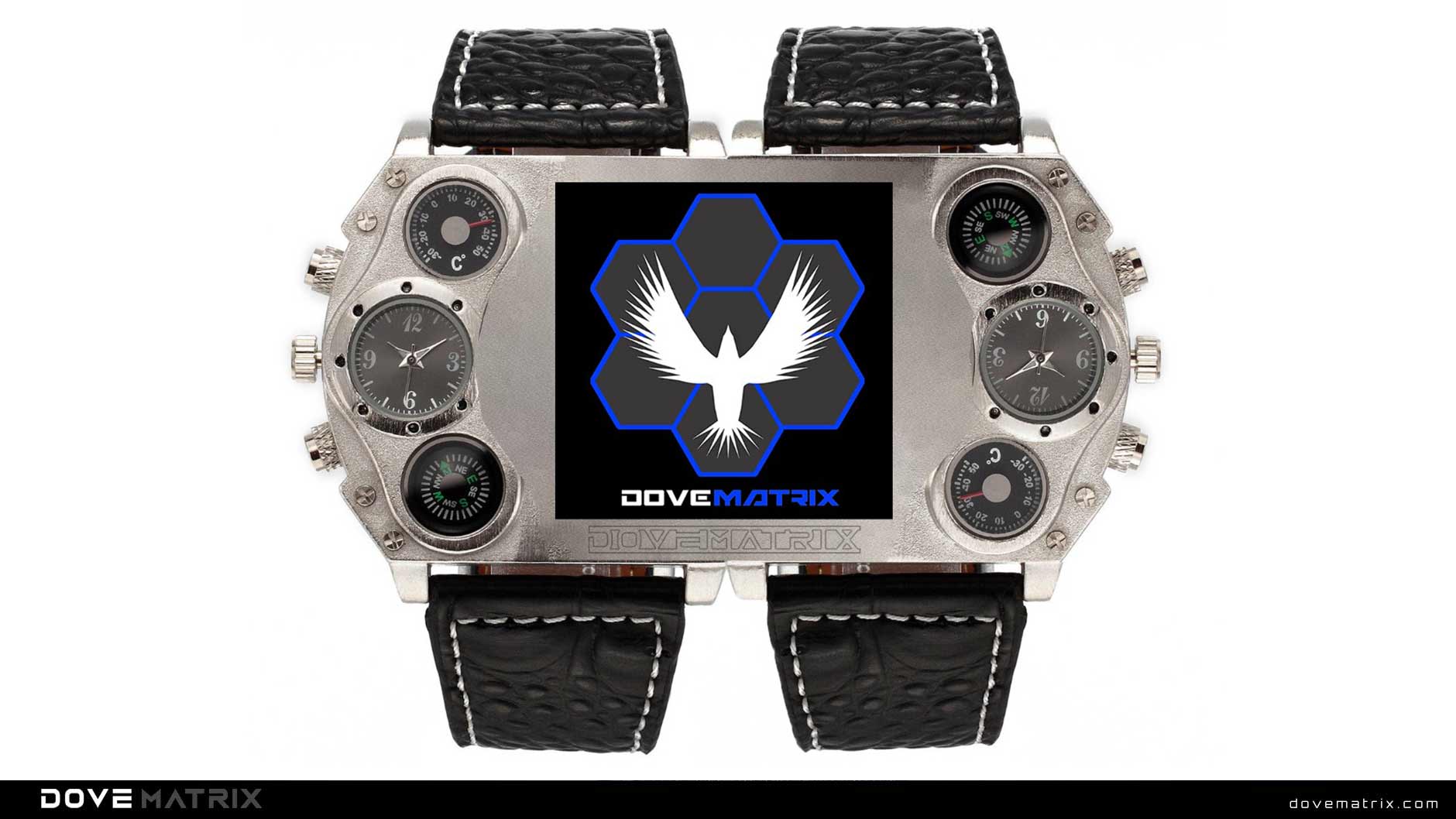
The artifact presented includes a conceptual redesign of an existing analog watch platform, digitally expanded to explore a widened case architecture and the integration of additional instrumentation modules. The redesigned chassis supports multi-gauge monitoring, distributed control inputs, and an extended display surface while maintaining wrist-mounted stability.
DATAWATCH combines high-resolution display technology with comprehensive sensor arrays in a form factor optimized for continuous operation. Key capabilities include:
- Circular 360-degree high-resolution display providing glanceable information zones
- Integrated biometric sensors monitoring heart rate, temperature, and blood oxygen
- Haptic feedback system enabling silent notification delivery
- Encrypted wireless protocols maintaining secure system connections
- Gesture and touch navigation minimizing interaction overhead
- Power management architecture supporting up to 72-hour continuous operation
The expanded structural configuration emphasizes distributed instrumentation and redundant control access, positioning DATAWATCH as both a wearable interface and a mobile systems node.
Architecture
The DATAWATCH operational architecture employs distributed processing to balance display updates, sensor polling, and wireless communication while maintaining battery efficiency. Core functions include continuous biometric monitoring at 1Hz sampling rate, selective display wake-on-gesture activation, priority-based notification routing, encrypted data synchronization, and adaptive power management.
Activation occurs automatically upon strap fastening and skin contact detection. The device maintains persistent wireless connection to configured systems while continuously monitoring wearer biometrics, displaying critical alerts through visual and haptic channels without requiring explicit user interaction for ongoing awareness.
Behavior
Wearable calibration requires personalization to individual wearer physiology and usage patterns to maintain monitoring accuracy. Primary calibration involves biometric sensor baseline establishment through resting measurements, skin contact impedance adjustment for optimal signal quality, haptic feedback intensity calibration for comfortable notification levels, and wireless power output optimization for battery life.
Individual wearer profiles store calibration data enabling accurate health monitoring across different users. Baseline verification is recommended at the start of each operational period to account for daily physiological variations and environmental factors affecting sensor performance and battery consumption patterns.