ARCHIVE ID
CW-HXP-2024-01
CATEGORY
CyberWear
STATUS
Active
CONDITION
Operational
HEXPADS
Hexagonal Embedded X-sensory Pressure Array Distributed System
Analysis
HEXPADS Wearable Analysis Structure
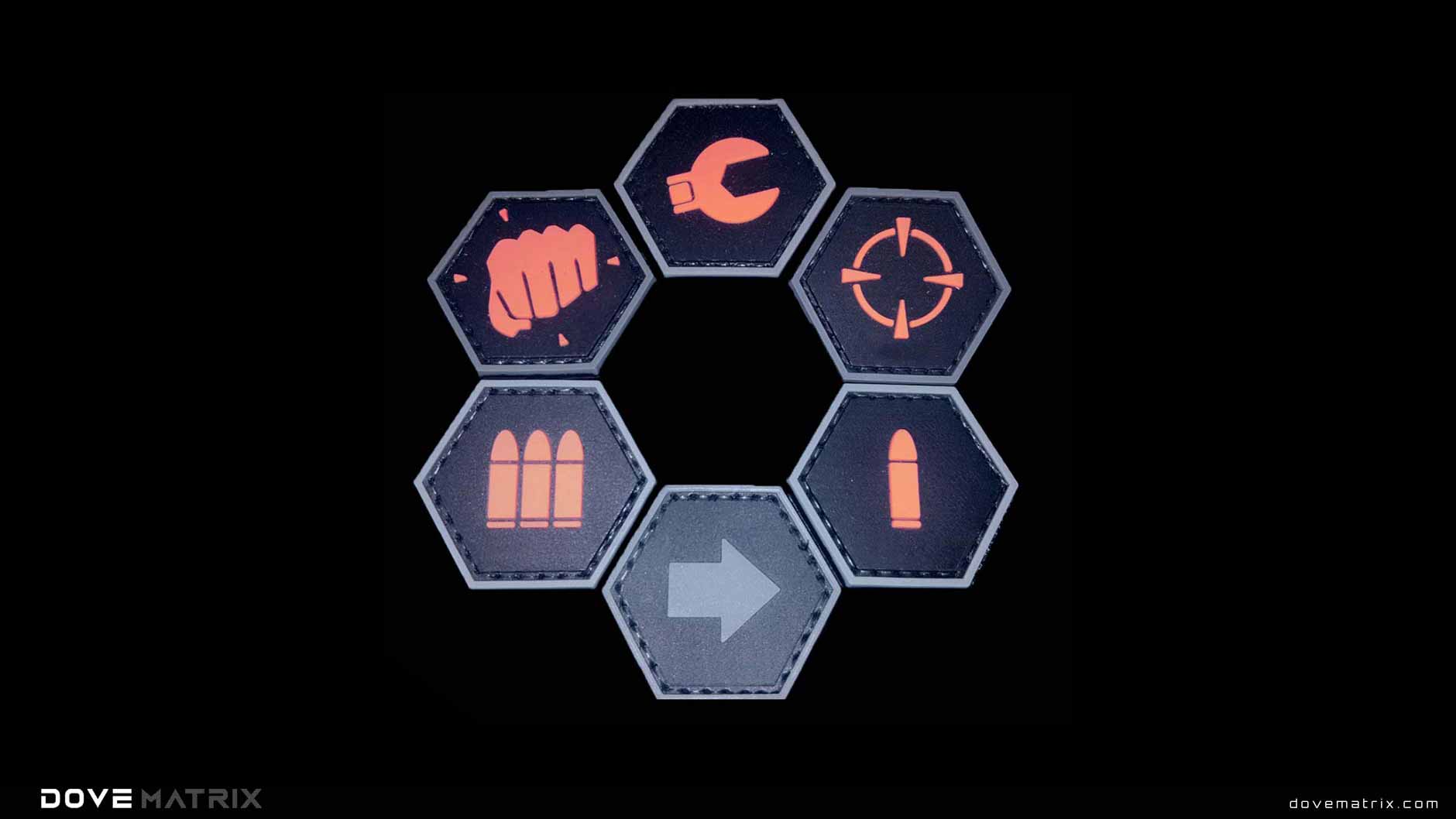
Advanced overlay visualization revealing hexagonal grid structure and sensor distribution patterns. Shows individual pad activation zones, pressure gradient mapping, and haptic actuator placement across the distributed array architecture.
HEXPADS Wearable Analysis Energy
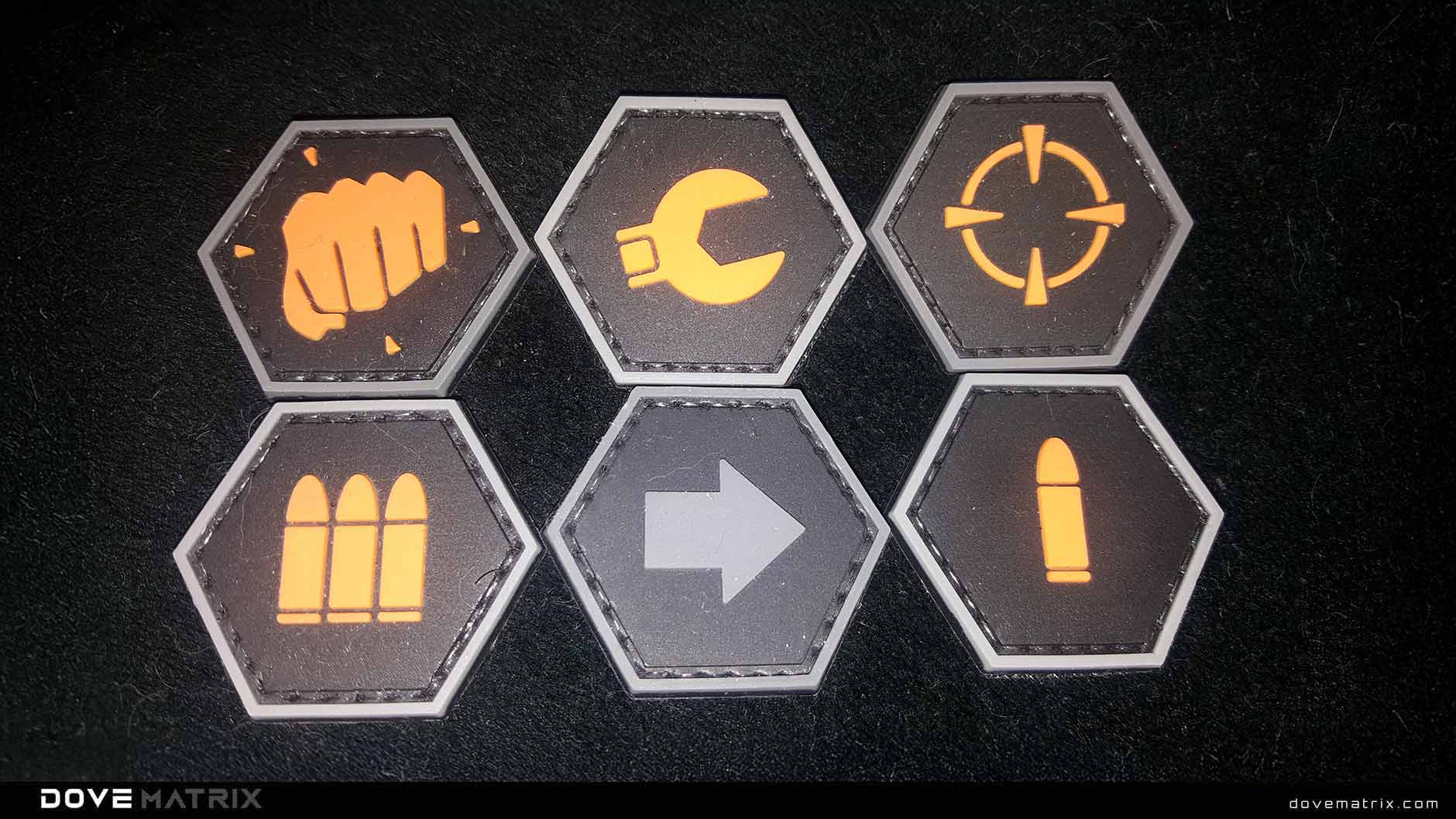
Standard diagnostic mode displaying the HEXPADS hexagonal sensor array in its operational configuration. Individual pressure sensors visible across pad surface for distributed tactile sensing and haptic feedback delivery.
HEXPADS Wearable Analysis Signal
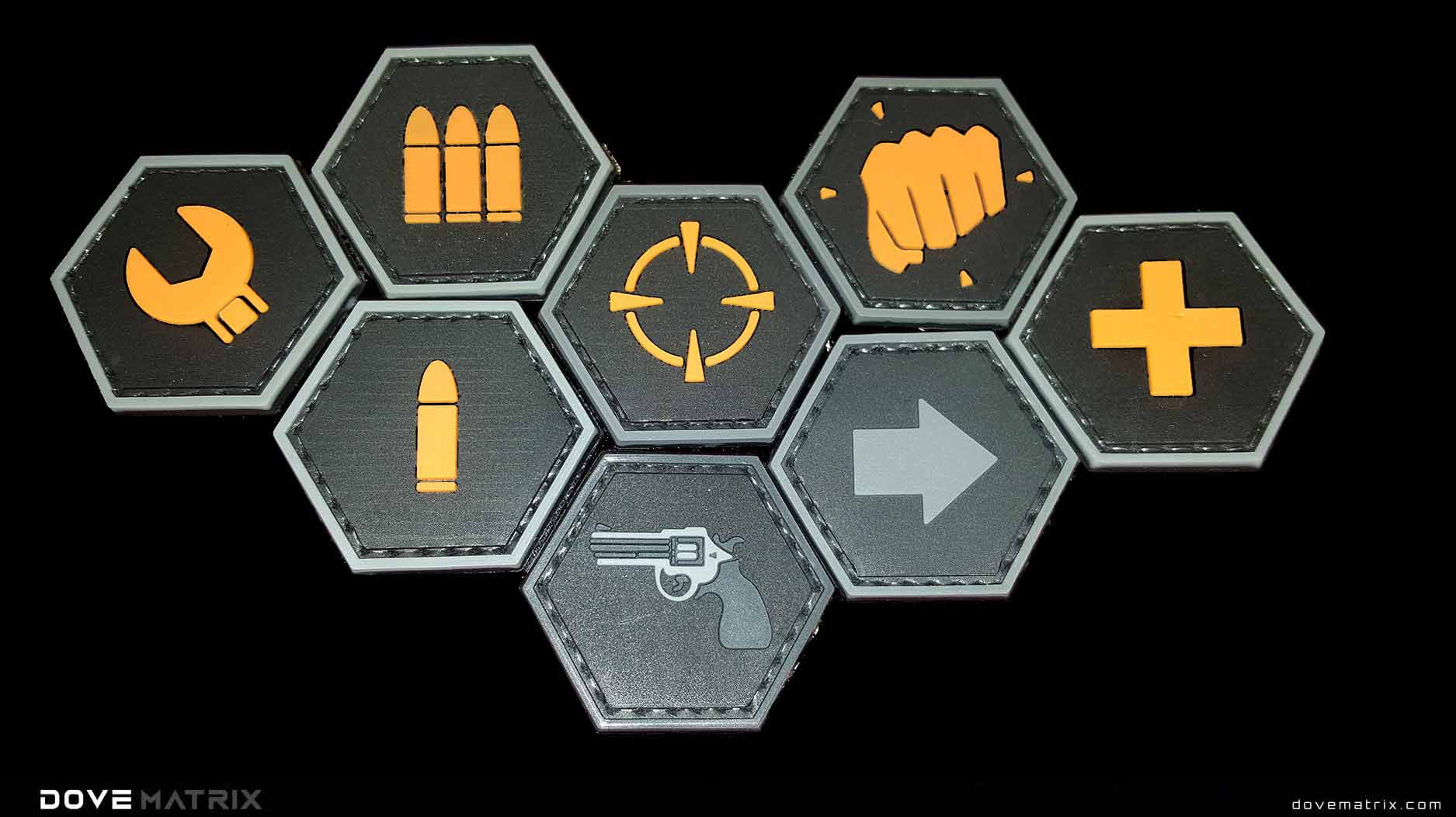
Internal circuitry and sensor pathway analysis exposing force-sensing resistors and haptic motor placement within flexible substrate. Shows distributed processing nodes and wireless communication modules embedded in wearable structure.
Profile
Overview
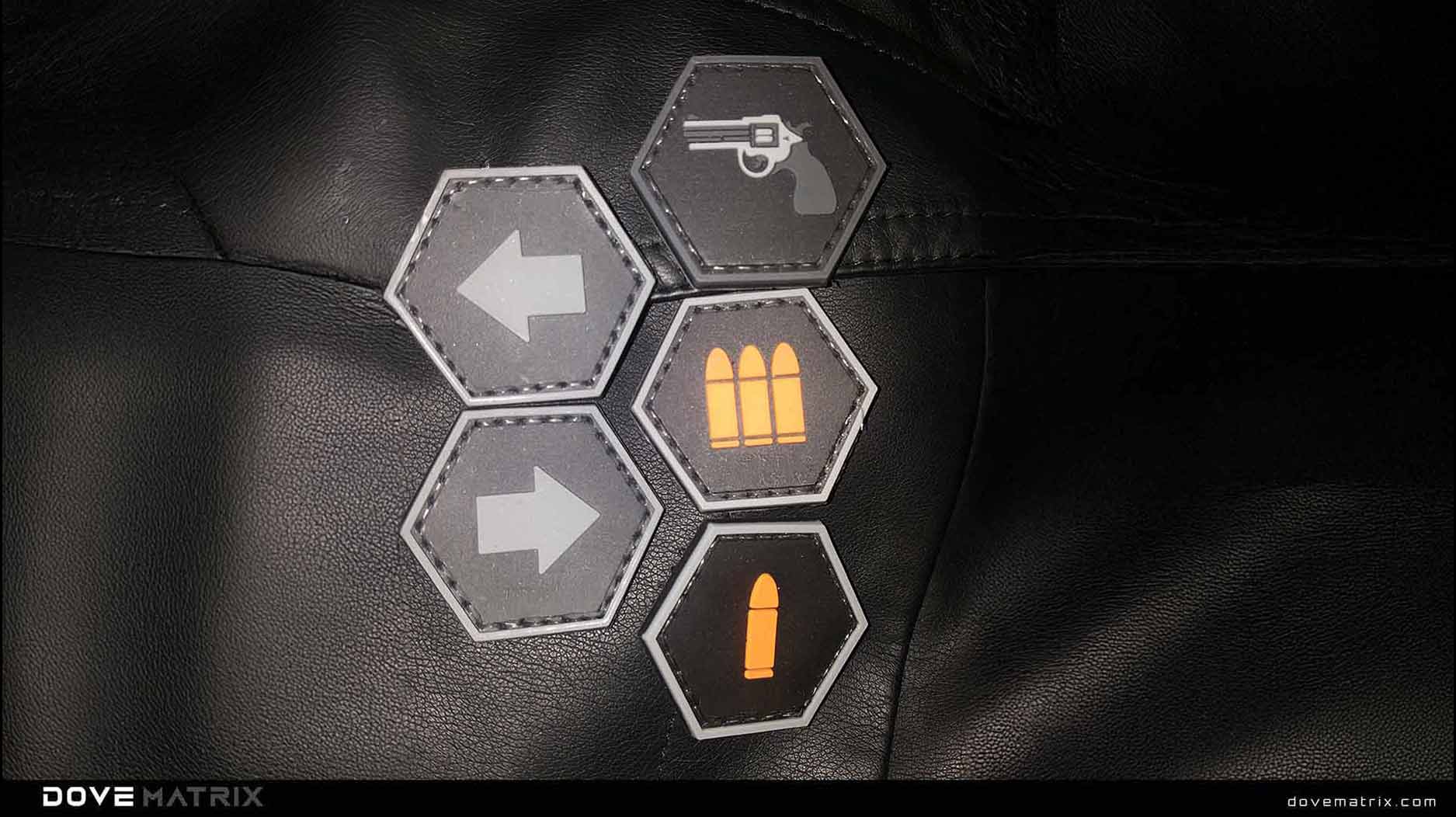
HEXPADS is a distributed tactile interface system utilizing hexagonal sensor pad arrays for wearable pressure sensing and haptic feedback. Unlike traditional grid-based touch surfaces, HEXPADS employs hexagonal tessellation to maximize sensor coverage while minimizing dead zones across irregular body surface geometries.
The device integrates force-sensing resistors within flexible substrate architecture, enabling conformable attachment to curved surfaces without sensor accuracy degradation. Features include multi-layer pressure detection from 1 gram to 5 kilograms per pad, localized vibrotactile feedback through embedded haptic motors, distributed processing with per-pad intelligence, and wireless protocol supporting 32-pad arrays with sub-10ms latency for real-time gesture recognition and tactile communication.
Architecture
The HEXPADS operational architecture employs distributed intelligence where each hexagonal pad contains local processing for pressure analysis and haptic output generation. Core functions include force gradient detection across neighboring pads for gesture recognition, pattern-based vibrotactile feedback sequencing, adaptive sensitivity adjustment based on contact pressure history, and multi-pad coordination for large-area tactile rendering.
Activation requires initial calibration sequence to establish baseline pressure readings and verify haptic actuator functionality. The device maintains continuous monitoring of all pad states, recognizing complex gestures through temporal and spatial pressure pattern analysis while delivering synchronized haptic responses across multiple pads for immersive tactile feedback experiences.
Behavior
Device calibration requires zero-pressure baseline establishment for all sensor pads to compensate for substrate tension variations and mounting surface irregularities. Primary calibration involves per-pad force threshold adjustment, haptic motor amplitude normalization across array, inter-pad timing synchronization for coordinated feedback, and wireless transmission power optimization for battery life vs. latency balance.
Regular recalibration is recommended every 48 operational hours or when environmental temperature changes exceed 10°C to maintain pressure sensing accuracy. Calibration protocol includes resting array on flat surface for zero-point capture, applying known reference weights for sensitivity curve mapping, and executing haptic test sequences to verify actuator response uniformity across entire pad array.