ARCHIVE ID
CW-VIS-2024-01
CATEGORY
CyberWear
STATUS
Active
CONDITION
Operational
VISION
Visual Intelligence System Interface Optics Network
Analysis
VISION Structural Architecture
Advanced overlay visualization revealing heads-up display projection patterns and data visualization layers across the 90-degree field of view. Shows environmental scan data, gaze tracking indicators, and AR object recognition markers for enhanced situational awareness.
VISION Power and Operational Systems
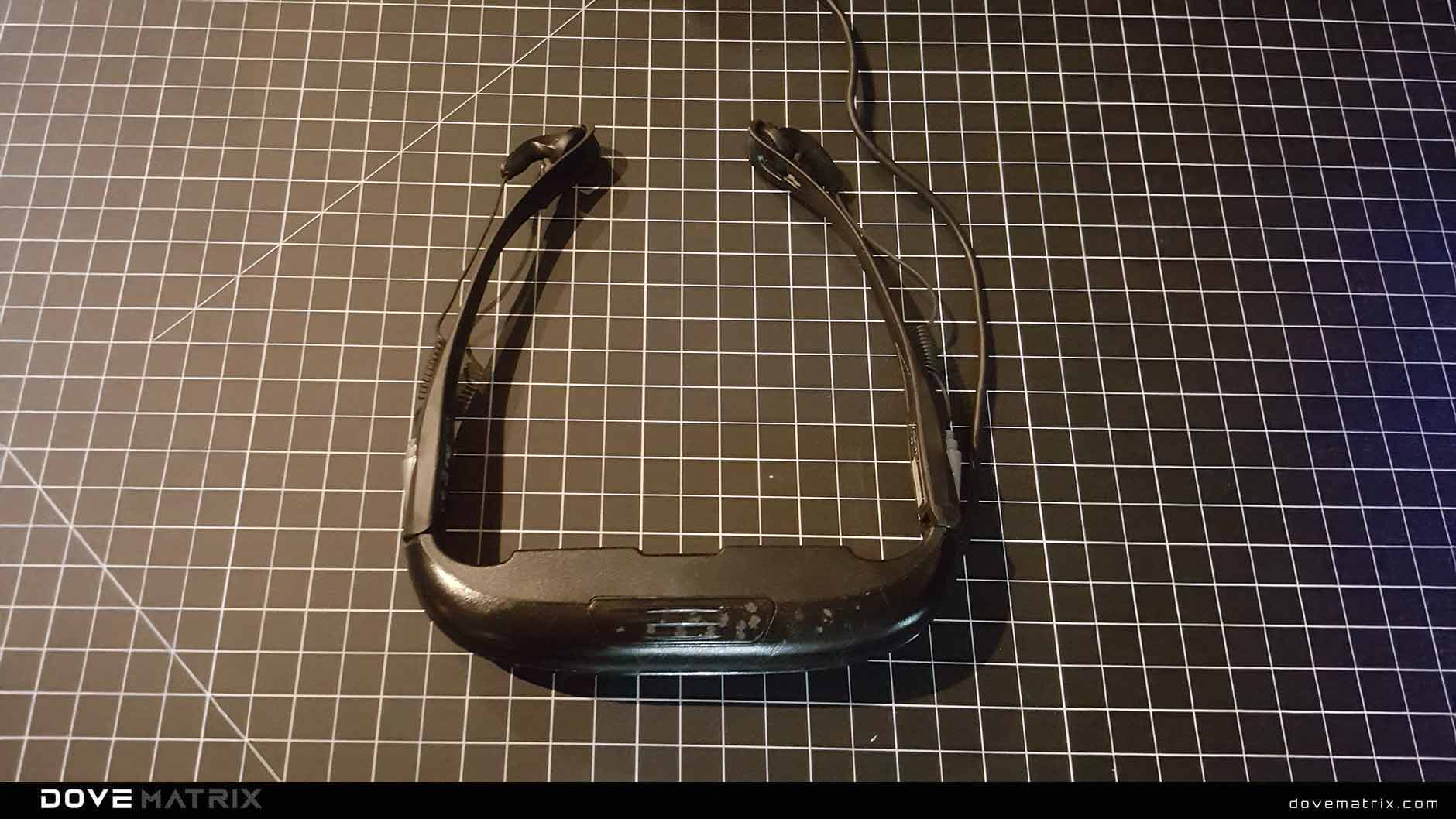
Standard diagnostic mode displaying the VISION augmented reality eyewear in its primary operational state. Optical waveguides and HUD projection systems visible for baseline AR overlay analysis and environmental scanning capabilities.
VISION Signal and Data Systems
Internal component analysis exposing micro-OLED projectors, waveguide optics, and eye-tracking camera systems. Shows thermal imaging sensors, lidar distance measurement modules, and object recognition processors embedded within lightweight frame architecture.
Profile
Overview
VISION is augmented reality eyewear extending human perception beyond natural limits by layering digital intelligence over physical sight without obstruction. Unlike simple notification displays, VISION embodies seamless reality augmentation, ensuring overlaid data enhances rather than replaces environmental awareness through transparent optical architecture that maintains visual clarity.
The device integrates micro-OLED projectors beaming high-contrast imagery onto waveguide optics with 90-degree field of view. Features include thermal imaging revealing heat signatures invisible to naked eye, lidar distance measurement providing precise depth perception for object tracking, object recognition processors identifying environmental elements automatically, eye-tracking cameras enabling gaze-based navigation without hand input, and prescription lens adapters ensuring optical correction compatibility for users requiring vision assistance.
Architecture
The VISION operational architecture employs continuous environmental scanning where visual input streams are analyzed for context-aware data overlay. Core functions include environmental sensor data fusion combining thermal, lidar, and optical inputs, object recognition processing identifying relevant elements for AR annotation, gaze tracking computation determining user focus point for interface navigation, HUD projection coordination positioning data overlays in appropriate visual field locations, and brightness adaptation matching display intensity to ambient lighting conditions for constant visibility.
Activation requires optical alignment verification and eye tracking calibration before AR overlay commences. The device maintains continuous monitoring of visual attention states, adapting projected data density based on gaze stability while enforcing display boundaries that prevent information overload in peripheral vision, ensuring overlaid intelligence remains accessible without overwhelming natural environmental perception across varied lighting and movement conditions.
Behavior
Device calibration requires interpupillary distance measurement and eye tracking baseline establishment to maintain AR overlay accuracy. Primary calibration involves optical alignment verification ensuring waveguide projection reaches both eyes uniformly, gaze tracking calibration mapping eye movement to interface coordinates, brightness curve mapping adapting display intensity to lighting conditions, and prescription lens integration if optical correction required for user vision needs.
Regular recalibration is recommended every 60 operational hours or after frame adjustment to account for optical alignment changes. Calibration protocol includes interpupillary distance verification, gaze tracking accuracy testing across field of view, HUD projection focus adjustment ensuring sharp imagery at proper depth, and brightness response validation comparing display visibility across varied ambient lighting from darkness to direct sunlight.