ARCHIVE ID
FC-CGR-2024-02
CATEGORY
FutureCircuits
STATUS
Active
CONDITION
Operational
COMPUTEGRID
Clustered Operations Multi-node Parallel Unified Throughput Execution Gridded Resource Integrated Distribution
Analysis
COMPUTEGRID Processing Analysis Structure
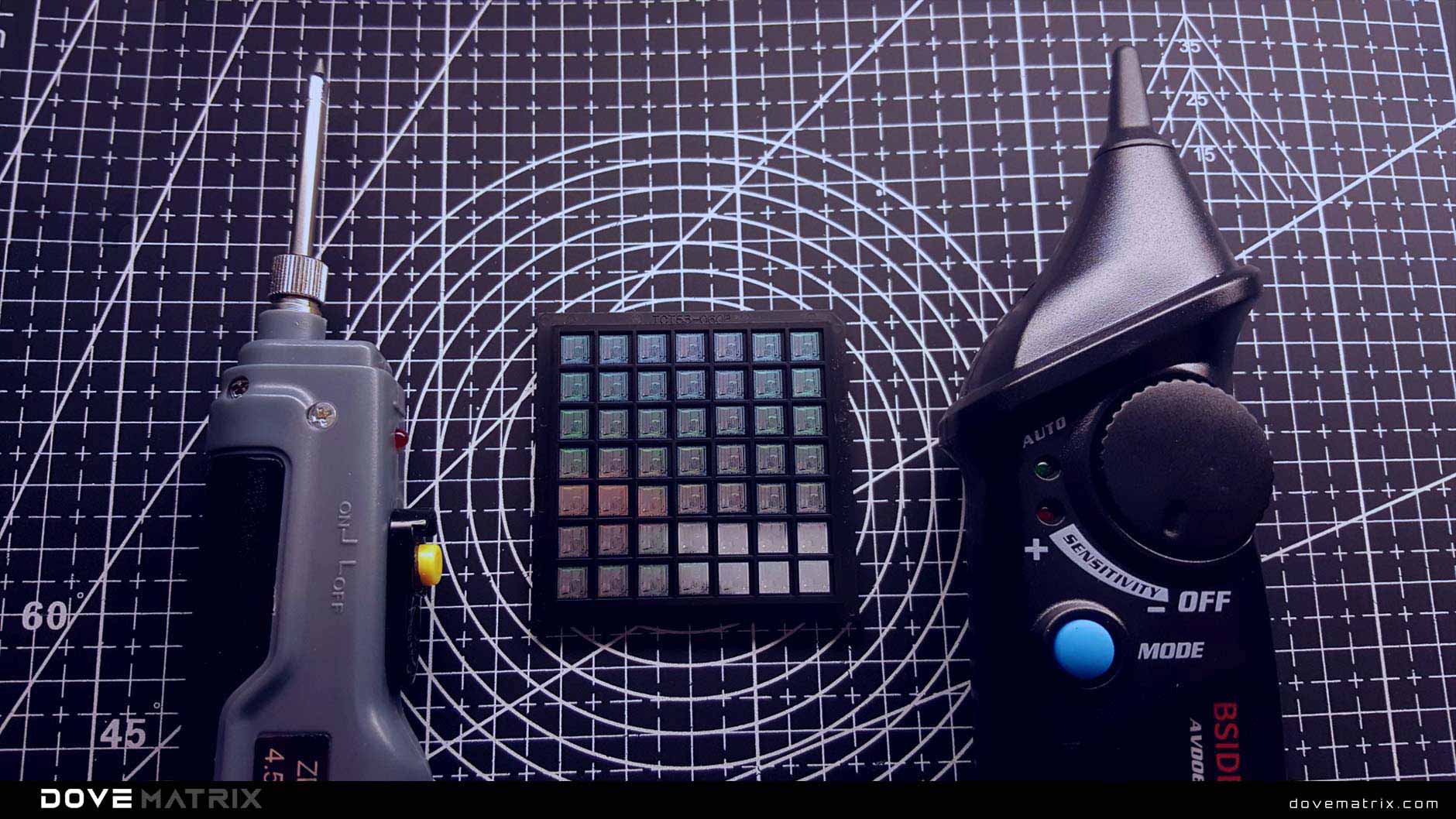
Advanced overlay visualization revealing data flow pathways and computational load distribution across grid nodes. Multiple diagnostic layers expose processing efficiency and resource allocation patterns.
COMPUTEGRID Processing Analysis Energy
Standard diagnostic mode displaying the grid-based processing architecture in its primary operational state. All computational nodes and signal pathways visible for baseline parallel processing analysis.
COMPUTEGRID Processing Analysis Signal
Internal circuitry and interconnect analysis exposing the underlying grid architecture, node communication pathways, and processing unit distribution within the computational matrix.
Profile
Overview
COMPUTEGRID is a grid-based processing architecture enabling parallel computation across distributed nodes with optimized signal pathways. Unlike traditional sequential processors, COMPUTEGRID distributes computational tasks across a matrix of interconnected processing units for massive parallelization.
The system employs intelligent workload distribution algorithms to balance processing loads dynamically across available nodes. Core capabilities include parallel task execution with automatic load balancing, distributed resource management optimizing processor utilization, adaptive signal routing minimizing communication latency, and fault-tolerant processing maintaining operations even when individual nodes fail.
Architecture
COMPUTEGRID operates through a distributed processing architecture that divides computational tasks into parallel operations executed simultaneously across grid nodes. The system continuously monitors node performance and dynamically redistributes workloads to maintain optimal processing efficiency.
Core operational modes include maximum throughput mode prioritizing processing speed, balanced mode optimizing for efficiency and power consumption, redundant mode enabling fault-tolerant operations with task duplication, and precision mode sacr ificing speed for computational accuracy. The grid architecture supports dynamic node addition and removal, allowing scalability from small cluster configurations to massive distributed arrays spanning thousands of processing units.
Behavior
Grid processing calibration requires precise synchronization of node timing and communication pathways to ensure coherent parallel operations. Primary calibration procedures include node clock synchronization across the grid, communication latency optimization between adjacent nodes, load balancer calibration for efficient task distribution, and thermal management verification ensuring adequate cooling under maximum load.
Critical calibration parameters include clock skew maintained below 10 nanoseconds across the grid, inter-node communication latency below 100 microseconds, balanced load distribution variance within 5% across active nodes, and thermal limits keeping all nodes below 85°C under sustained operation. Environmental factors affecting calibration include power supply stability requiring clean voltage regulation and electromagnetic interference necessitating proper shielding of signal pathways.