ARCHIVE ID
HG-R2R-2024-03
CATEGORY
HoloGrids
STATUS
Active
CONDITION
Operational
REEL2REAL
Rendering Engine Electronic Light 2 Radiant Emission Analog Luminescence
Analysis
REEL2REAL Projection Analysis Structure
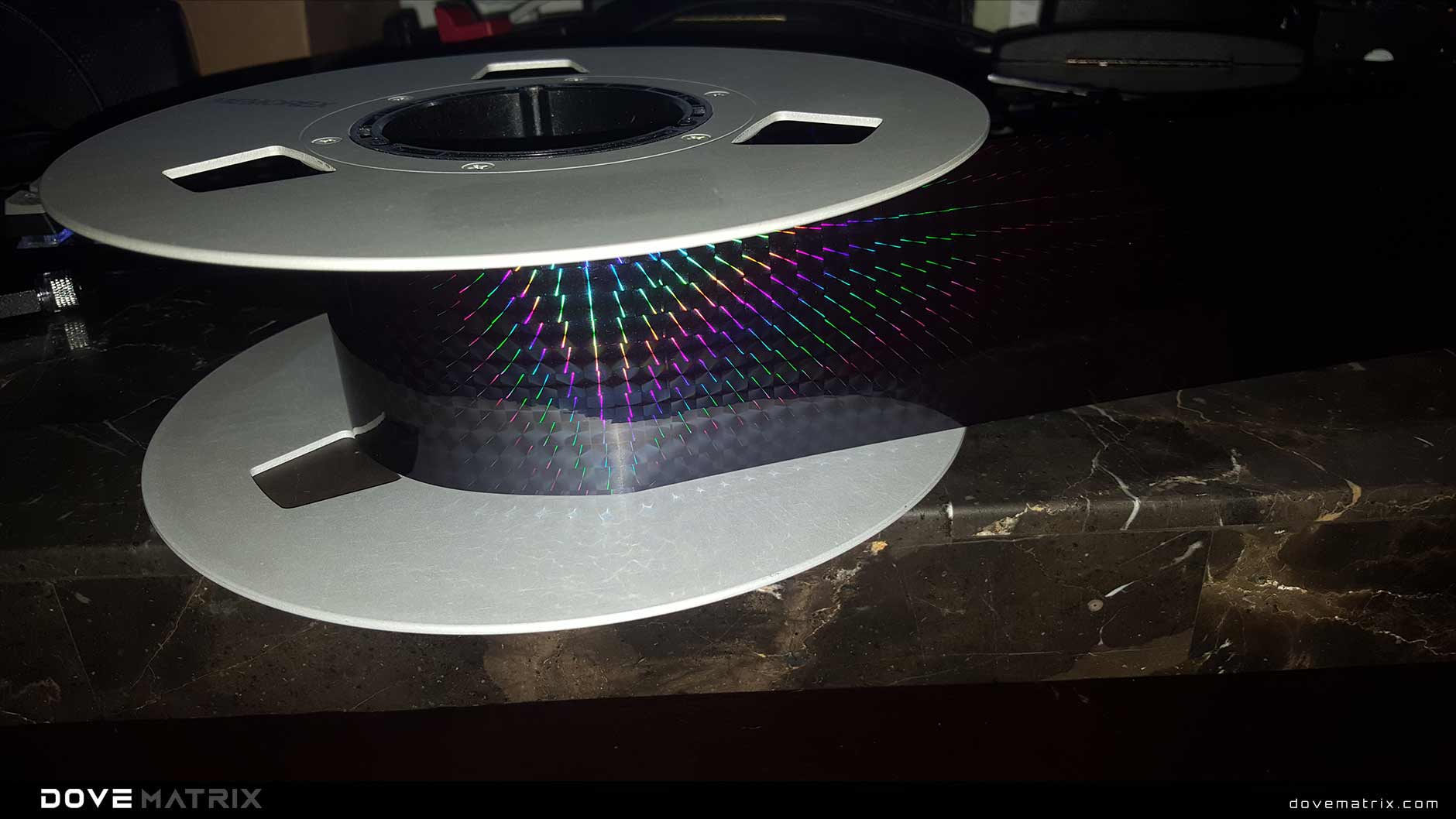
Enhanced visualization revealing volumetric projection slices and cross-sectional rendering planes across the holographic space. Multiple diagnostic layers expose spatial mapping accuracy and depth layer distribution.
REEL2REAL Projection Analysis Energy
Standard diagnostic mode displaying the physical-to-digital projection interface in its primary operational state. All optical conversion components and holographic rendering systems visible for baseline projection analysis.
REEL2REAL Projection Analysis Signal
Internal conversion pipeline analysis exposing film transport mechanisms, optical scanning arrays, and digital rendering processors. Critical for understanding analog-to-holographic transformation pathways.
Profile
Overview
REEL2REAL is a hybrid projection system that bridges analog and digital realms through optical conversion and holographic rendering, preserving the warmth of physical media while enabling three-dimensional volumetric projection. Unlike traditional film-to-video converters, REEL2REAL transforms flat analog content into spatially rendered holographic experiences.
The system combines high-resolution film scanning with real-time holographic processing to create volumetric projections from originally two-dimensional source material. Core capabilities include 8K optical film scanning with frame-by-frame color correction, automated dust and scratch removal algorithms, holographic depth synthesis adding spatial dimension to flat content, and real-time analog-to-holographic conversion with sub-frame latency enabling live projection of physical film reels.
Architecture
REEL2REAL operational architecture implements a multi-stage conversion pipeline beginning with precision film transport and optical scanning, followed by digital enhancement and holographic rendering. The system continuously synchronizes mechanical film advance with digital frame capture, applying real-time processing while maintaining temporal integrity of source material.
Conversion operates in three primary modes: archive scanning for high-fidelity capture with extensive restoration algorithms, live projection enabling real-time holographic transformation as film plays, and batch processing for automated conversion of film collections. The holographic rendering engine analyzes frame content to synthesize depth information, creating parallax layers from motion cues and focus gradients. Volumetric output supports configurable projection depth (2-8 spatial layers), adjustable parallax intensity, and optional temporal interpolation smoothing vintage footage to modern frame rates while preserving authentic motion characteristics.
Behavior
Optical conversion calibration requires precise alignment of film transport mechanisms and scanning arrays to ensure accurate frame capture without distortion or registration errors. Primary calibration procedures include film gate alignment for centered frame positioning, optical focus verification across scanning sensor array, color balance calibration matching film stock characteristics, and holographic projection plane alignment for proper volumetric rendering.
Critical calibration parameters include film transport speed (18-24fps with 0.1fps precision), scanning resolution (8K native with optional oversampling), color depth (12-bit per channel minimum), and holographic layer count (default 5 depth planes). Environmental factors affecting calibration include ambient light interference requiring controlled projection environment and film condition variability necessitating adaptive restoration thresholds. System validation involves scanning calibration targets with known characteristics and verifying holographic output dimensional accuracy against reference projections before archival or presentation operations.